Why Social Play Is Essential for Toddlers
Social play is one of the most important building blocks of early childhood development. For toddlers, play isn’t just entertainment—it’s how they learn to communicate, cooperate, solve problems, and understand the world around them. Whether your child attends daycare, preschool, or plays with peers during local activities in Mesa, social play lays the foundation for emotional, cognitive, and social skills that last a lifetime.
This guide explains why social play is so vital, how toddlers benefit from interacting with peers, and how Robin’s Place ChildCare encourages healthy social development for young children.
What Is Social Play?
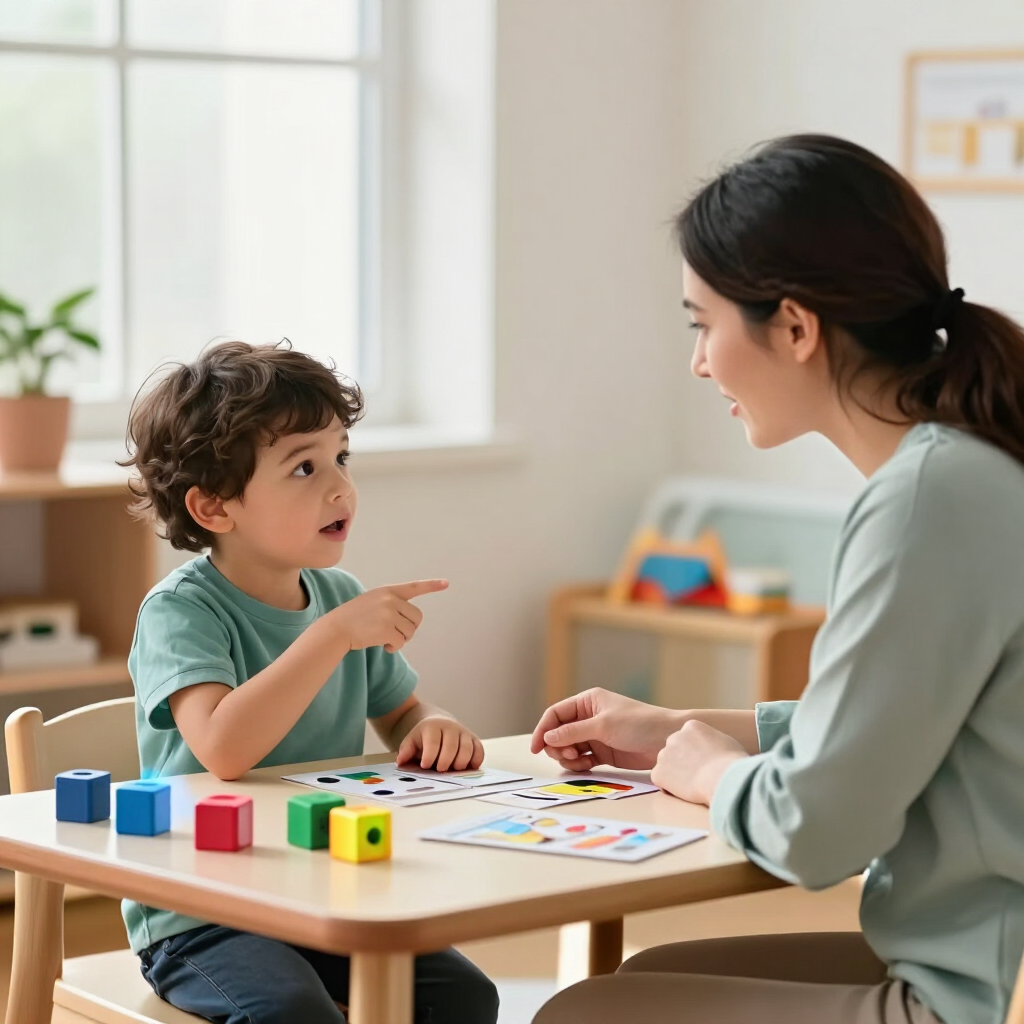
Social play refers to any play activity where toddlers interact with other children or adults. It includes:
- Imitating peers
- Sharing toys
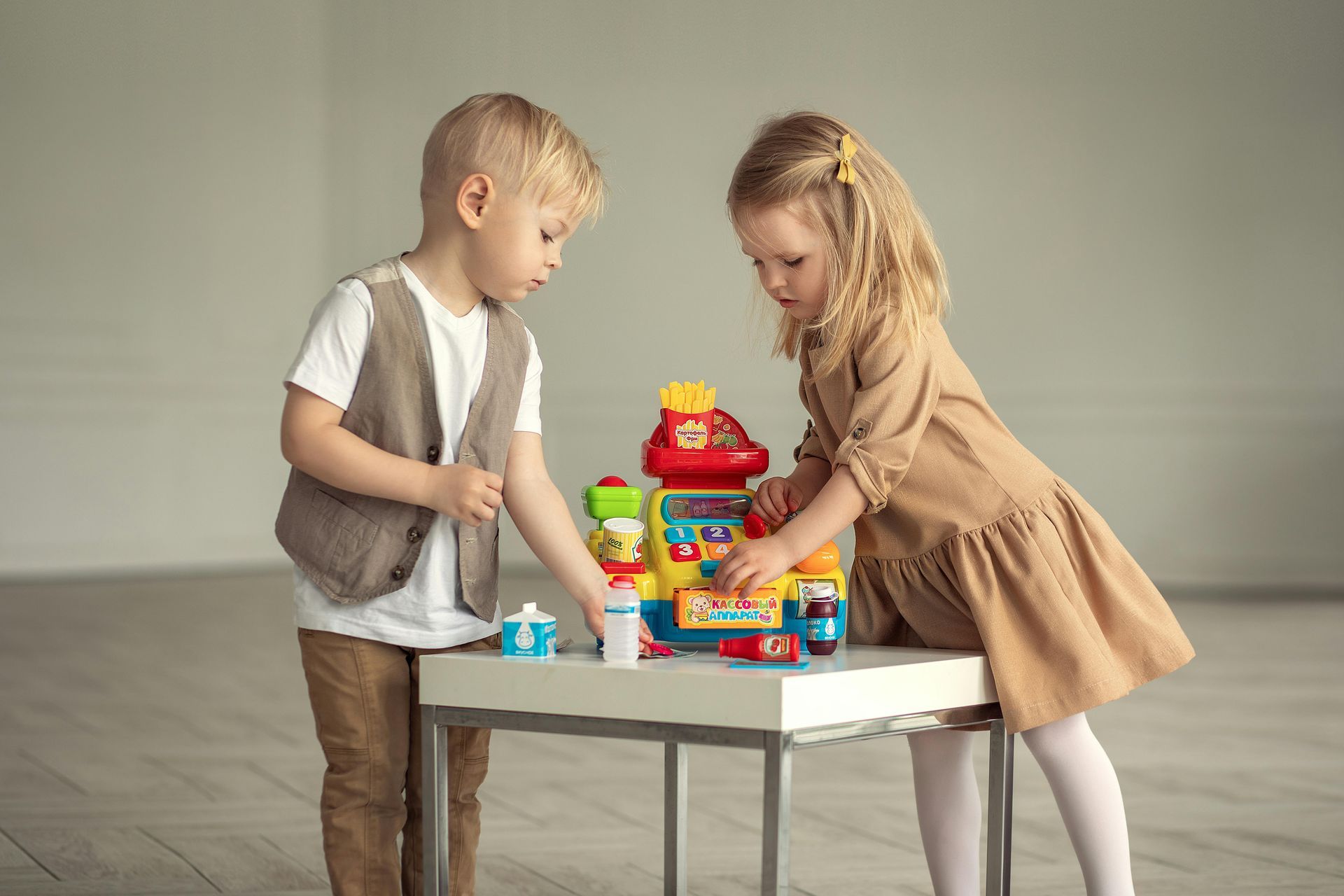
- Engaging in pretend play
- Building together
- Exploring side-by-side (parallel play)
- Participating in group activities
- Playing simple games
While many toddlers begin with parallel play—playing near, but not directly with, another child—they gradually learn to collaborate, communicate, and build friendships.
Why Social Play Matters in Early Development
Toddlers learn more from play than any formal lesson. Social play helps young children grow in five major developmental areas:
1. Social Development
They learn sharing, turn-taking, patience, cooperation, and how to respond to others.
2. Emotional Development
Social play helps toddlers understand feelings, manage frustration, and build empathy.
3. Communication Skills
Talking, gesturing, listening, and expressing needs all happen during play.
4. Cognitive Skills
Problem-solving, imagination, early math, and critical thinking emerge through shared activities.
5. Physical Development
Fine and gross motor skills are strengthened during active play and hands-on activities.
Together, these skills prepare toddlers for preschool, group settings, and long-term success in school.
1. Social Play Builds Communication Skills
Toddlers are still learning how to express their needs, feelings, and ideas. Interacting with other children pushes them to develop language through:
- Simple conversations
- Negotiating (“My turn?” “Let’s share.”)
- Listening and responding
- Naming objects
- Asking for help
- Copying words or sounds
Children who engage in regular social play often develop stronger vocabulary and communication abilities earlier than those who mainly play alone.
2. Social Play Teaches Cooperation and Sharing
Sharing is not natural for toddlers—it’s learned through practice. When toddlers play together, they begin to understand:
- Taking turns
- Waiting patiently
- Cooperating on group tasks
- Allowing others to use toys
- Working together on challenges
These early experiences help children navigate preschool routines, such as waiting in line, group playtime, and structured activities.
3. Social Play Encourages Emotional Development
Toddler emotions can be intense. Social play teaches toddlers how to:
- Express feelings appropriately
- Recognize emotions in others
- Manage disappointment
- Develop empathy
- Build emotional resilience
Through gentle guidance from teachers, toddlers learn to handle conflicts, misunderstandings, and big feelings with support instead of frustration.
4. Social Play Strengthens Problem-Solving Skills
When toddlers play with others, they face small challenges such as:
- Deciding what game to play
- Figuring out how to build something together
- Negotiating who goes first
- Sharing limited materials
- Resolving minor disagreements
These moments teach children how to think critically, make decisions, and find solutions collaboratively.
5. Social Play Builds Early Friendships
Friendships may look simple at the toddler stage, but they are incredibly meaningful. A child may:
- Follow a preferred friend
- Laugh or smile when a familiar peer arrives
- Show excitement when playing with certain classmates
- Copy a friend’s actions
- Share special toys
These early friendships form the foundation of social confidence and a positive self-image.
6. Social Play Supports Physical Growth
Many social activities involve physical movement—running, climbing, dancing, building, and playing with balls. These movements:
- Improve balance and coordination
- Strengthen muscles
- Support fine motor development
- Encourage exploration and independence
Social play offers physical growth opportunities that solo play may not provide.
7. Social Play Boosts Imagination and Creativity
Toddlers use imagination to explore ideas, solve problems, and understand the world. Social play sparks creativity by introducing:
- New roles (“I’m the teacher, you’re the student”)
- Pretend scenarios
- Creative storytelling
- New ways of using objects
- Encouragement from peers
Creative thinking enhances cognitive flexibility and prepares children for later academic learning.
8. Social Play Helps Toddlers Adapt to Preschool
Preschool classrooms rely heavily on group activities. Toddlers who have regular social play experience tend to adjust more smoothly because they already understand:
- Following routines
- Sharing materials
- Cooperating with others
- Engaging in group lessons
- Communicating with teachers and peers
Robin’s Place ChildCare incorporates daily social play opportunities for toddlers to prepare them naturally for future learning environments.
How Robin’s Place ChildCare Encourages Social Play
At Robin’s Place ChildCare in Mesa, AZ, social play is at the center of toddler development. Teachers use structured and unstructured play to support every child’s social, emotional, and cognitive growth.
Key ways Robin’s Place supports social play:
- Daily group play activities
- Encouraged peer interactions
- Guided sharing and turn-taking
- Opportunities for pretend and imaginative play
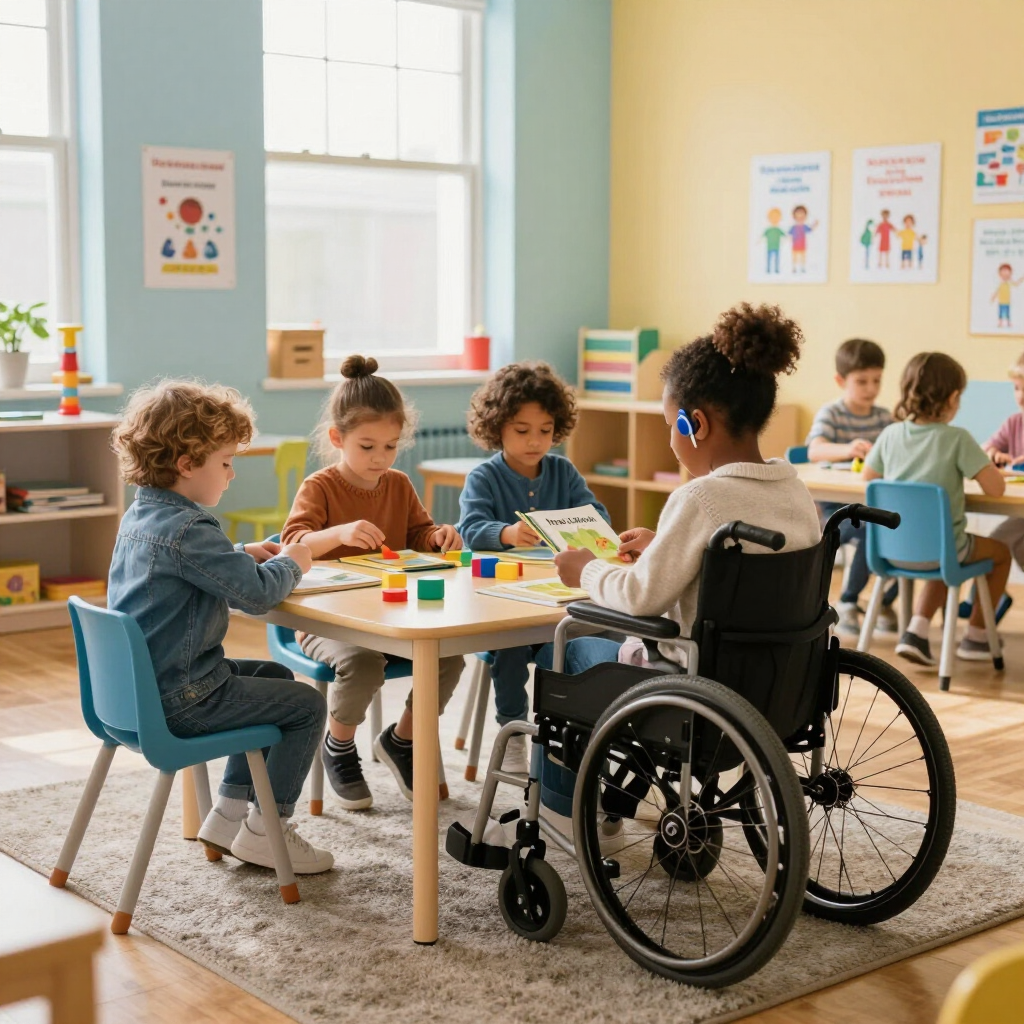
- Inclusive play where children of all abilities participate
- Sensory stations that promote cooperative exploration
- Outdoor play designed for safe social interaction
- Teacher involvement to model positive social behaviors
By creating a warm, welcoming environment, Robin’s Place helps toddlers feel safe and confident interacting with others.
How Parents Can Encourage Social Play at Home
You don’t need a classroom to support healthy social play. Mesa parents can encourage social growth with simple activities:
1. Arrange Playdates
Playdates with neighbors, cousins, or friends help toddlers practice sharing and communication.
2. Attend Local Toddler Activities
Mesa has many child-friendly activities like library story times, parks, and community events.
3. Practice Taking Turns at Home
Simple games like rolling a ball back and forth teach valuable social skills.
4. Encourage Pretend Play
Dolls, play kitchens, costumes, and toy animals spark imagination.
5. Model Social Behavior
Demonstrate kindness, patience, sharing, and problem-solving at home.
6. Praise Positive Interactions
Celebrate moments when your child shares or cooperates, even if the attempt is small.
7. Limit Solo Screen Time
Screens can reduce opportunities for real social engagement.
With consistent encouragement, toddlers develop strong social foundations that benefit them as they grow.
Frequently Asked Questions
Does my toddler need to be social before starting preschool?
No. Preschool helps children build social skills, even if they’re shy or hesitant at first.
What if my child prefers playing alone?
It’s normal for toddlers to enjoy parallel play. Teachers gently encourage social interactions while respecting a child’s comfort level.
Can social play help with behavior issues?
Yes. Social play teaches patience, cooperation, and communication—all of which reduce frustration and improve behavior.
Is social play beneficial for children with disabilities?
Absolutely. Inclusive social play supports communication, motor development, and emotional confidence.
How often should toddlers engage in social play?
Daily opportunities—both structured and free play—are ideal for encouraging healthy development.
Support Your Toddler’s Social Development in Mesa, AZ
Robin’s Place ChildCare provides the ideal environment for toddlers to grow socially, emotionally, cognitively, and physically. Through guided play, caring teachers, and inclusive classrooms, children develop the confidence and skills they need for preschool and beyond.
To learn more or schedule a visit:
Phone:
+1 (480) 699-1906
Email:
admin@robinsplacechildcare.com
Address:
832 West Baseline Road, Mesa, AZ 85210
Website:
https://www.robinsplacechildcare.com/
Robin’s Place is proud to nurture toddlers and young learners throughout Mesa, AZ.
Recent Posts