How Childcare Centers Support Kids With Special Needs

Choosing the right childcare center is an important decision for all families—but for families with children who have special needs, the search can feel especially overwhelming. Parents want reassurance that their child will be understood, supported, welcomed, and included in an environment that nurtures growth.
High-quality childcare centers provide individualized guidance, trained staff, predictable routines, and supportive environments where every child can thrive. This guide explains how childcare centers help children with special needs succeed socially, academically, and emotionally—and why inclusive programs like Robin’s Place ChildCare in Mesa, AZ are so valuable for local families.
What “Special Needs” Means in Childcare
“Special needs” is a broad term that includes many developmental, emotional, physical, and behavioral differences. A child may need extra support due to:
- Autism
- ADHD
- Speech or communication delays
- Sensory processing differences
- Learning disabilities
- Behavioral challenges
- Physical or mobility challenges
- Developmental delays
- Medical needs requiring monitoring
Every child is unique. The best childcare centers see beyond labels and focus on each child’s strengths, abilities, and potential.
Why Inclusive Childcare Is So Important
Inclusive childcare ensures that children with special needs learn alongside typically developing peers instead of being separated or isolated.
This approach benefits all children by:
- Normalizing differences
- Encouraging empathy and kindness
- Supporting communication and social skills
- Providing diverse learning experiences
- Allowing children to learn from each other
When children learn and play in inclusive environments, they develop confidence, acceptance, and a strong sense of belonging.
Robin’s Place ChildCare proudly offers inclusive care for children ages 0–12, ensuring that every child receives the support they need.
1. Individualized Support for Each Child
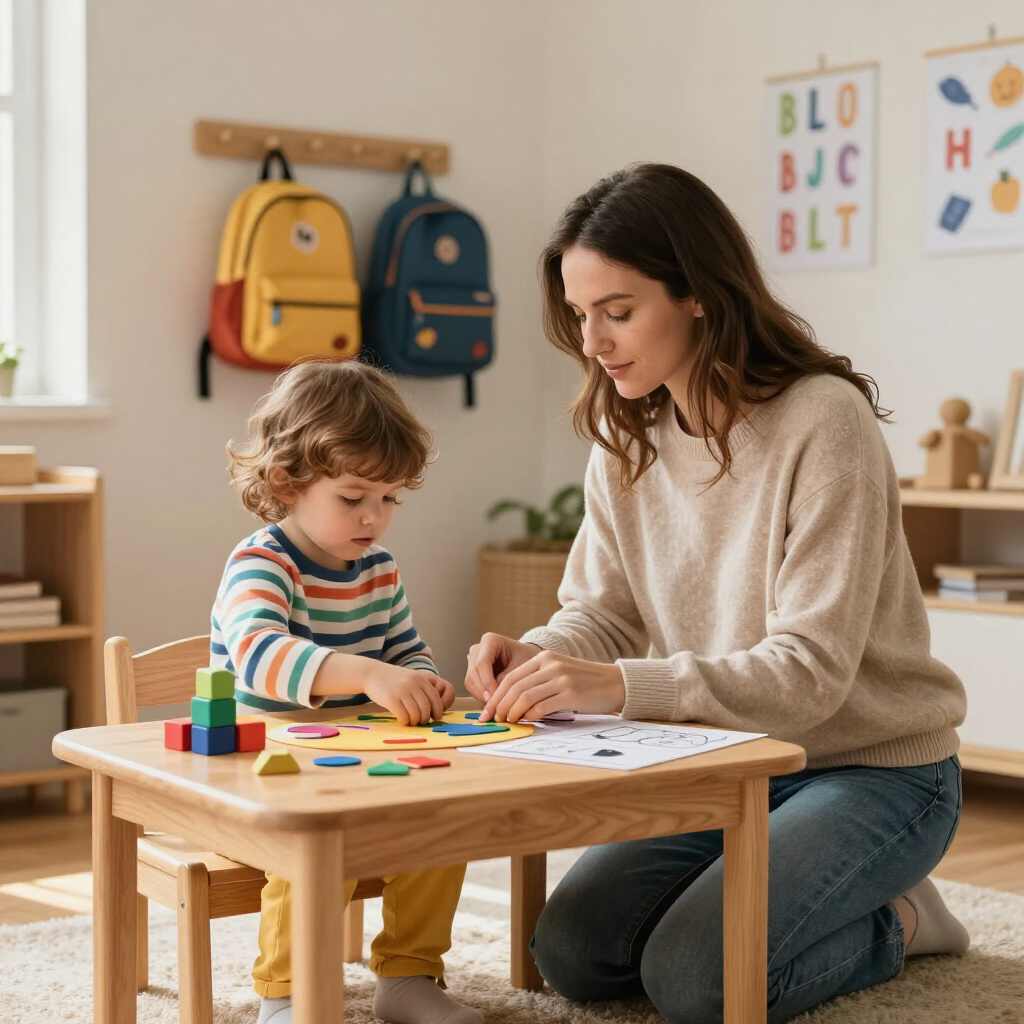
High-quality childcare centers don’t take a one-size-fits-all approach. Instead, teachers adjust activities and expectations to match each child’s needs.
Individual support may include:
- Visual schedules
- First–then charts
- Simplified instructions
- One-on-one assistance
- Modified activities
- Alternative seating
- Additional wait time
- Sensory tools
- Calming strategies
These individualized adjustments help children participate successfully with their peers.
2. Predictable Routines That Provide Stability
Children with special needs often thrive when their day is structured and predictable. Childcare centers create routines around:
- Arrival
- Meals and snacks
- Circle time
- Learning centers
- Outdoor play
- Nap or quiet time
- Transitions
- Pickup
Predictability reduces anxiety and helps children feel secure and confident in their environment.
3. Educated, Patient, and Compassionate Teachers
Supporting children with special needs requires a team of caregivers who:
- Understand developmental differences
- Use positive behavior strategies
- Offer emotional reassurance
- Communicate clearly
- Are trained in early childhood development
- Are willing to collaborate with families
- Show patience and empathy
- Remain calm and consistent
The right staff can make the difference between a child feeling overwhelmed or empowered.
Robin’s Place ChildCare is known for warm, patient teachers who provide individualized attention to every child.
4. Sensory-Friendly Environments
Many children benefit from sensory-friendly spaces that help them regulate emotions and focus. Childcare centers may include:
- Soft lighting
- Quiet corners
- Fidget tools
- Noise-reducing headphones
- Tactile sensory bins
- Weighted pillows or blankets
- Visual timers
- Calm-down areas
These spaces give children the chance to reset emotionally and physically.
5. Social Skills Development Through Guided Play
Social interaction can be challenging for some children with special needs. Childcare centers support social growth by:
- Modeling appropriate social behavior
- Guiding turn-taking and sharing
- Encouraging collaborative play
- Helping children read social cues
- Teaching problem-solving skills
- Creating small-group interactions
- Celebrating positive peer interactions
These guided experiences help children build confidence and develop real friendships.
6. Behavior Guidance That Builds Emotional Skills
Children with special needs may experience big emotions or difficulties regulating behavior. High-quality centers use positive behavior guidance—never punishment.
Supportive behavior strategies may include:
- Redirection
- Visual supports
- Calm breathing reminders
- Giving choices
- Breaking tasks into smaller steps
- Modeling emotional language
- Positive reinforcement
- Social stories
These techniques help children learn how to manage emotions, frustration, and change.
7. Early Learning Activities Adapted for All Abilities
Whether a child is an infant, toddler, preschooler, or school-age student, childcare centers adjust activities so everyone can participate.
Activities may be modified by:
- Changing the difficulty level
- Offering sensory alternatives
- Allowing extra time
- Using hands-on learning tools
- Adjusting group size
- Providing extra guidance
- Using visuals or cues
Children of all abilities deserve opportunities to explore, learn, and discover.
8. Strong Parent-Caregiver Communication
Parents of children with special needs often require consistent updates. Childcare centers provide:
- Daily notes
- Behavior reports
- Individual progress updates
- Quick responses to questions
- Meetings to discuss strategies
- Transparency about challenges
This partnership ensures that home and school strategies align, helping the child succeed.
Robin’s Place ChildCare maintains open communication with every family to foster trust and consistency.
9. Inclusive Peer Interaction and Friendship Opportunities
Children with special needs benefit greatly from spending time with peers. Inclusive classrooms help children:
- Build social confidence
- Learn language through modeling
- Improve cooperation
- Strengthen empathy
- Practice problem-solving
- Discover common interests
- Participate in group activities
Friendships help children feel valued and included every day.
10. Support for School Readiness
Quality childcare prepares children with special needs for success in kindergarten by focusing on:
- Self-help skills
- Language development
- Early literacy
- Fine motor skills
- Following directions
- Group participation
- Routines and transitions
- Emotional regulation
These areas help bridge the gap between early childhood and elementary school.
Why Families Choose Robin’s Place for Special Needs Support
Robin’s Place ChildCare is deeply committed to creating a safe, inclusive space for children of all abilities. Families choose this center because it offers:
Welcoming, Nonjudgmental Care
Every child is accepted with kindness and understanding.
Inclusive Classrooms
Children learn and play together regardless of ability.
Trained, Compassionate Teachers
Educators support diverse learning and behavioral needs.
Flexible Learning Approaches
Activities are adapted as needed so every child can succeed.
Predictable Routines
Daily structure helps children feel comfortable and confident.
Family Collaboration
Parents and teachers work together as a team.
DES-Approved Enrollment
Families can use DES childcare assistance to help cover the cost of care.
Robin’s Place embraces all children with warmth, patience, and dedication.
Frequently Asked Questions
Do childcare centers accept children with special needs?
Many do. Inclusive centers like Robin’s Place welcome children with a wide range of developmental, behavioral, and physical needs.
What if my child needs one-on-one support?
Childcare staff can provide additional attention and modify activities as needed.
Can inclusive childcare help with social development?
Yes. Inclusive environments help children learn communication, empathy, and cooperative play.
Do special needs children benefit from routines?
Absolutely. Predictable routines provide comfort, reduce anxiety, and support learning.
Does Robin’s Place accept DES assistance?
Yes. The center is DES-approved and supports families using childcare assistance.
Supporting Every Child in Mesa, AZ
If you’re looking for childcare that embraces and supports children with special needs, Robin’s Place ChildCare offers a safe, inclusive, and development-focused environment where every child is valued. Families throughout Mesa trust Robin’s Place for individualized learning, social development, and compassionate care.
To learn more or arrange a visit:
Phone:
+1 (480) 699-1906
Email:
admin@robinsplacechildcare.com
Address: 832 West Baseline Road, Mesa, AZ 85210
Website:
https://www.robinsplacechildcare.com/
Serving children ages 0–12 with inclusive childcare, preschool, after-school programs, and specialized support for diverse learning needs.