A Parent's Guide to Kindergarten Readiness: Skills Every Child Should Develop Before Starting School
Starting kindergarten is one of the most exciting milestones in a child's life. For many families, it marks the beginning of a new chapter filled with learning, friendships, and increased independence. While parents often focus on academic skills such as counting and recognizing letters, kindergarten readiness involves much more than academics alone.
Children who enter kindergarten successfully are typically prepared in several areas, including social skills, emotional development, communication, independence, and problem-solving abilities. These foundational skills help children adjust to classroom expectations, build relationships, and develop confidence as learners.
At Robin's Place ChildCare in Mesa, Arizona, we help children build the skills needed for a successful transition into kindergarten through developmentally appropriate learning experiences, structured routines, and social-emotional support.
Understanding what kindergarten readiness truly means can help parents better prepare their children for this important step.
What Is Kindergarten Readiness?
Kindergarten readiness refers to a child's ability to meet the developmental expectations commonly needed to succeed in a kindergarten classroom.
It does not mean a child must already know everything they will learn in school.
Instead, readiness involves a combination of:
- Social skills
- Emotional regulation
- Communication abilities
- Cognitive development
- Physical development
- Independence
- Early academic concepts
Every child develops at their own pace. Kindergarten readiness is about having a strong foundation that allows children to learn, participate, and adapt successfully in a classroom environment.
Social Skills: Learning to Work and Play With Others
One of the most important components of kindergarten readiness is social development.
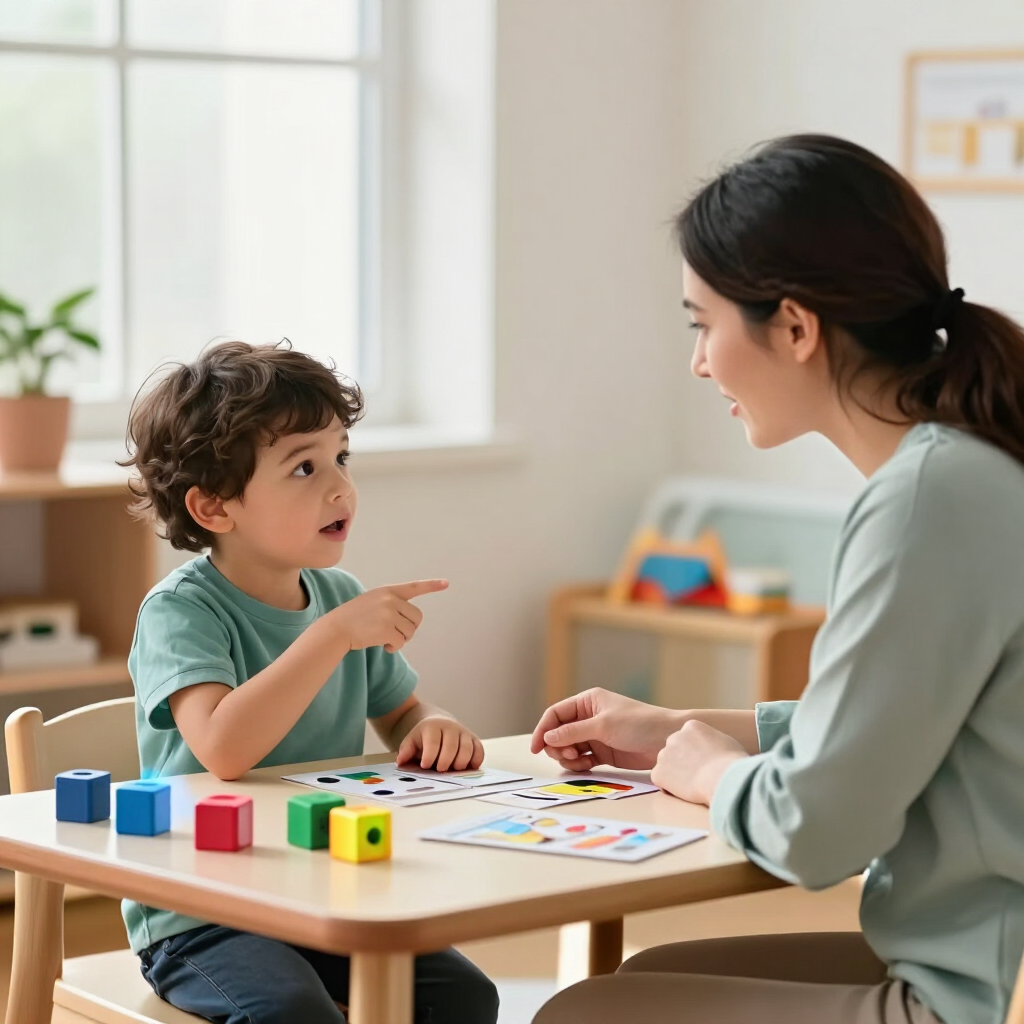
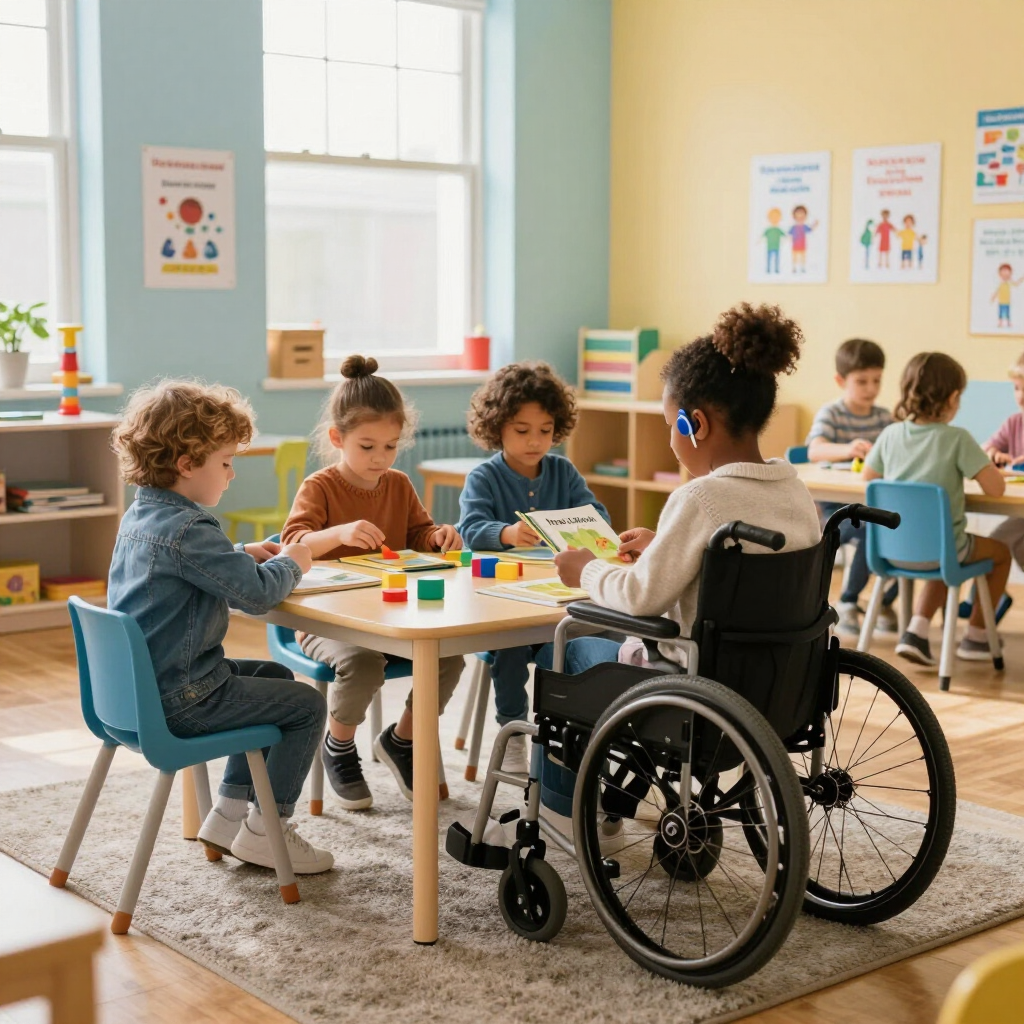
In kindergarten, children spend much of their day interacting with peers and teachers. They need to be able to function as part of a group while developing positive relationships.
Important social skills include:
- Sharing materials
- Taking turns
- Following classroom rules
- Participating in group activities
- Listening to others
- Cooperating with peers
- Respecting personal space
- Building friendships
Preschool programs provide daily opportunities for children to practice these skills in a supportive environment.
At Robin's Place ChildCare, children engage in group learning, cooperative play, and structured activities that help strengthen social competence.
Emotional Readiness: Managing Feelings and Transitions
Kindergarten introduces new expectations, routines, and challenges. Emotional readiness helps children navigate these changes successfully.
Children should be developing the ability to:
- Express feelings appropriately
- Handle disappointment
- Follow directions
- Manage frustration
- Adapt to changes in routine
- Separate from parents comfortably
- Recover from minor setbacks
Emotional regulation is not about being perfect. It is about developing the ability to cope with challenges and seek help when needed.
Teachers support emotional growth by helping children identify feelings, solve problems, and build confidence.
Communication Skills for Classroom Success
Strong communication skills help children participate fully in the classroom.
Kindergarten-ready children are often able to:
- Express wants and needs
- Ask questions
- Follow simple instructions
- Participate in conversations
- Listen to others
- Understand basic vocabulary
- Share thoughts and experiences
Children continue developing communication skills throughout elementary school, but a solid foundation supports confidence and classroom engagement.
Activities such as story time, dramatic play, singing, and group discussions help strengthen communication abilities.
The Importance of Following Directions
Classrooms operate through routines and expectations.
Children who can follow directions are often better prepared to participate in learning activities and transitions throughout the day.
Examples include:
- Putting away materials
- Lining up with classmates
- Moving between activities
- Following safety rules
- Completing simple tasks
Many kindergarten teachers expect children to follow one-step and two-step directions independently.
These skills can be practiced regularly at home and in childcare settings.
Developing Independence
Independence plays a major role in kindergarten success.
Teachers are responsible for many students and cannot provide constant one-on-one assistance.
Children should be working toward independence in areas such as:
- Using the restroom independently
- Washing hands
- Putting on jackets
- Managing personal belongings
- Opening lunch containers
- Cleaning up after activities
- Following classroom routines
Building independence helps children feel capable and confident in new environments.
At Robin's Place ChildCare, children are encouraged to take age-appropriate responsibility for daily tasks.
Early Literacy Skills
Children do not need to be fluent readers before starting kindergarten.
However, exposure to early literacy concepts can help support future learning.
Important early literacy skills include:
- Recognizing some letters
- Identifying letters in their name
- Understanding that print has meaning
- Listening to stories
- Recognizing rhyming words
- Holding books correctly
- Enjoying reading activities
Reading regularly with children is one of the best ways to support literacy development.
Story time at Robin's Place ChildCare helps children develop language, vocabulary, and early reading skills through engaging experiences.
Early Math Concepts
Kindergarten introduces children to foundational math skills.
Children may benefit from exposure to concepts such as:
- Counting objects
- Recognizing numbers
- Sorting items by color or shape
- Comparing sizes
- Identifying patterns
- Understanding basic quantities
These skills often develop naturally through play and everyday activities.
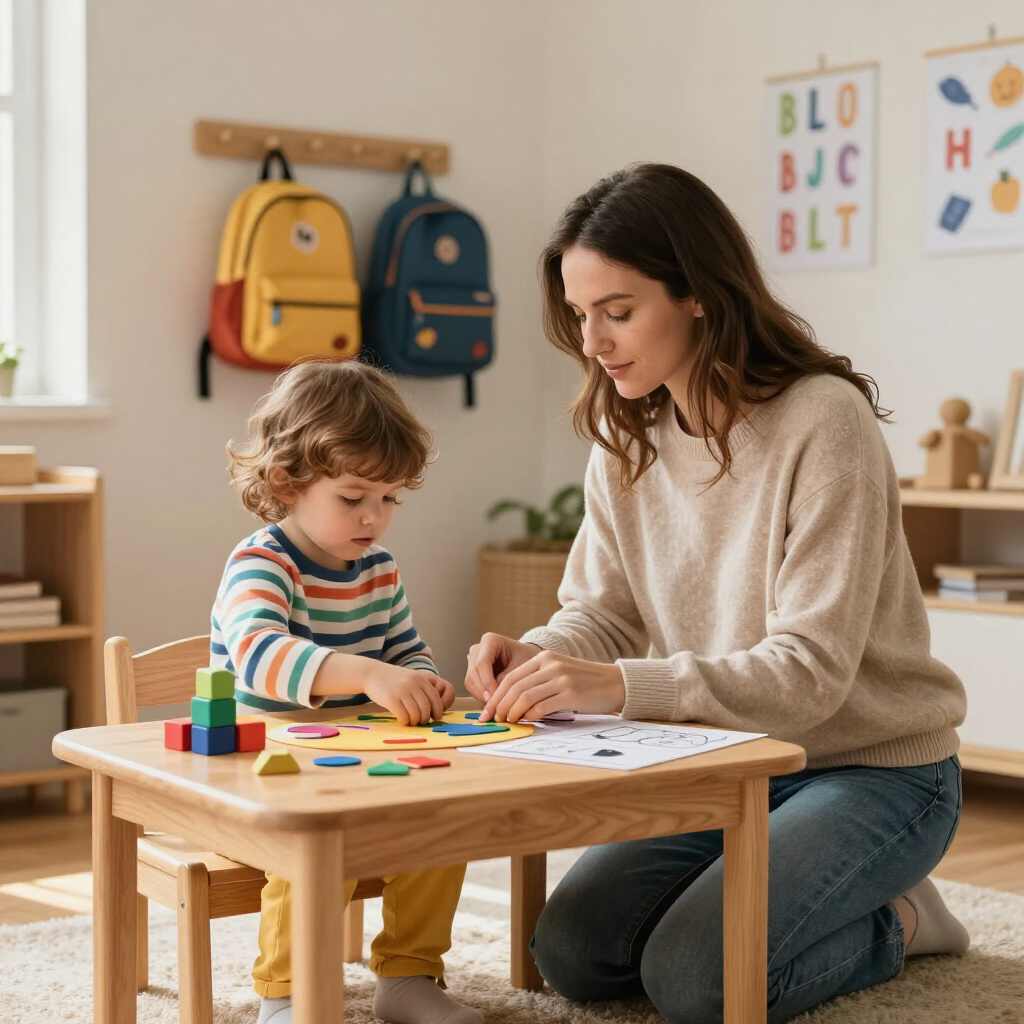
Building with blocks, sorting toys, and counting objects during daily routines all support early math development.
Fine Motor Skills
Fine motor skills involve the small muscles of the hands and fingers.
These skills are important for classroom tasks such as:
- Holding pencils
- Using scissors
- Drawing
- Coloring
- Writing
- Manipulating classroom materials
Children develop fine motor skills through activities such as:
- Playdough
- Puzzles
- Stringing beads
- Art projects
- Building activities
At Robin's Place ChildCare, children participate in a variety of hands-on activities that strengthen fine motor development.
Gross Motor Skills
Physical development is another important aspect of school readiness.
Gross motor skills involve large muscle movements used for:
- Running
- Jumping
- Climbing
- Balancing
- Throwing
- Catching
Strong gross motor skills support physical health, coordination, and confidence.
Daily outdoor play provides valuable opportunities for children to strengthen these abilities.
Learning Through Play
Many of the skills needed for kindergarten develop naturally through play.
Play helps children learn:
- Problem-solving
- Communication
- Creativity
- Social interaction
- Emotional regulation
- Decision-making
Play-based learning allows children to develop readiness skills in engaging and meaningful ways.
This approach supports development across all learning areas while maintaining a child's natural curiosity and love of learning.
How Parents Can Support Kindergarten Readiness at Home
Parents play a critical role in preparing children for school success.
Simple daily activities can make a significant difference.
Consider:
- Reading together every day
- Encouraging independence
- Practicing routines
- Talking about feelings
- Playing games that involve turn-taking
- Providing opportunities for social interaction
- Encouraging curiosity and exploration
The goal is not to create pressure but to support development through everyday experiences.
Common Kindergarten Readiness Misconceptions
Many parents worry that their child must master academic skills before kindergarten begins.
In reality, social-emotional development is often just as important.
Children do not need to:
- Read independently
- Write complete sentences
- Solve advanced math problems
Instead, they should be developing the foundational skills that allow them to learn successfully in a classroom environment.
Teachers expect children to continue learning and growing after they enter kindergarten.
How Robin's Place ChildCare Prepares Children for Kindergarten
Robin's Place ChildCare provides a well-rounded approach to school readiness.
Children participate in activities that support:
- Social development
- Emotional regulation
- Communication skills
- Early literacy
- Early math concepts
- Independence
- Problem-solving
- Physical development
Our structured routines, experienced educators, and inclusive environment help children develop the confidence and skills needed for a successful transition into kindergarten.
Why Mesa Families Choose Robin's Place ChildCare
Families throughout Mesa trust Robin's Place ChildCare because we focus on preparing the whole child for future success.
Our programs offer:
- Preschool education
- School readiness support
- Inclusive childcare
- Social-emotional learning
- Play-based experiences
- Qualified educators
- Family partnerships
We believe every child deserves a strong foundation that supports lifelong learning and confidence.
Frequently Asked Questions
What skills should a child have before kindergarten?
Children benefit from developing social skills, communication abilities, independence, emotional regulation, and basic early literacy and math concepts.
Does my child need to know how to read before kindergarten?
No. Kindergarten teachers expect children to enter with varying skill levels and continue developing literacy skills throughout the year.
How important are social skills for kindergarten readiness?
Social skills are extremely important because they help children participate in classroom activities, build friendships, and follow expectations.
How can I help my child prepare for kindergarten at home?
Reading together, encouraging independence, practicing routines, and providing opportunities for social interaction can all support readiness.
Does Robin's Place ChildCare offer kindergarten readiness programs?
Yes. Our preschool programs focus on building the academic, social, emotional, and developmental skills children need for school success.
Internal Links
External Links
Recent Posts