Understanding Developmental Milestones: What Parents Should Expect From Birth to Age Five


One of the most common questions parents ask is, "Is my child developing normally?" Whether it is a baby's first smile, a toddler's first words, or a preschooler's growing independence, parents naturally want to know if their child is reaching important developmental milestones.
The truth is that every child develops at their own pace. While there are general developmental milestones that most children reach within certain age ranges, there is also a wide range of what is considered typical development.
Understanding developmental milestones can help families recognize their child's growth, celebrate achievements, and identify when additional support may be beneficial.
At Robin's Place ChildCare in Mesa, Arizona, we understand how important early development is. Through observation, developmental screenings, and individualized support, we help children build the skills they need to thrive while partnering with families every step of the way.
What Are Developmental Milestones?
Developmental milestones are skills or behaviors that most children achieve within a certain age range. These milestones help professionals and parents track progress across several important areas of development.
Developmental milestones typically fall into five categories:
- Social and emotional development
- Language and communication development
- Cognitive development
- Fine motor development
- Gross motor development
Milestones provide useful guidelines, but they are not strict deadlines. Some children may reach milestones earlier, while others may develop certain skills later.
The goal is not to compare children to one another but to understand their individual growth patterns.
Why Developmental Milestones Matter
Tracking developmental milestones helps families and educators:
- Monitor growth and development
- Identify strengths
- Recognize potential delays
- Support learning opportunities
- Seek early intervention when needed
- Build realistic expectations
Early identification of developmental concerns can lead to earlier support, which often improves outcomes for children.
At Robin's Place ChildCare, developmental screenings are used to help families better understand their child's progress and determine whether additional resources may be helpful.
Developmental Milestones: Birth to 12 Months
The first year of life is filled with rapid growth and change.
During infancy, babies develop important foundational skills related to movement, communication, attachment, and exploration.
Social and Emotional Development
Infants often begin to:
- Smile responsively
- Recognize familiar caregivers
- Show enjoyment during interactions
- Respond to voices and facial expressions
- Develop attachment to trusted adults
Language Development
Babies typically begin to:
- Coo and babble
- Respond to sounds
- Recognize their name
- Use different cries for different needs
- Imitate simple sounds
Cognitive Development
Infants may:
- Explore objects with their hands and mouth
- Follow moving objects with their eyes
- Show curiosity about their environment
- Understand cause and effect through simple actions
Physical Development
Many babies begin to:
- Roll over
- Sit independently
- Crawl
- Pull up to stand
- Take first steps near the end of the first year
Every new skill lays the foundation for future development.
Developmental Milestones: Ages 1 to 2
Toddlers experience incredible growth during their second year.
This stage is marked by increasing mobility, communication, and independence.
Social and Emotional Development
Toddlers may:
- Show affection toward familiar people
- Engage in simple pretend play
- Express a range of emotions
- Begin developing independence
- Display preferences and choices
Language Development
Children often begin to:
- Say simple words
- Follow basic directions
- Point to familiar objects
- Use gestures to communicate
- Combine simple words into short phrases
Cognitive Development
Toddlers may:
- Identify familiar objects
- Understand simple instructions
- Explore cause and effect
- Sort shapes and colors
- Engage in problem-solving through play
Physical Development
Common milestones include:
- Walking independently
- Climbing furniture
- Throwing balls
- Using spoons
- Stacking blocks
Toddlers are eager explorers who learn through movement and hands-on experiences.
Developmental Milestones: Ages 2 to 3
Children become increasingly social, verbal, and independent during this stage.
Social and Emotional Development
Children may:
- Begin playing alongside peers
- Show empathy toward others
- Develop stronger preferences
- Practice self-help skills
- Seek approval from adults
Language Development
Many children begin to:
- Use short sentences
- Ask questions
- Follow two-step directions
- Name familiar objects
- Participate in simple conversations
Cognitive Development
Children often:
- Complete simple puzzles
- Understand basic concepts
- Match colors and shapes
- Engage in imaginative play
- Solve simple problems independently
Physical Development
Common skills include:
- Running confidently
- Climbing playground equipment
- Kicking balls
- Turning pages in books
- Using crayons and markers
These skills support growing independence and confidence.
Developmental Milestones: Ages 3 to 4
Preschool-aged children continue to expand their abilities in all developmental areas.
Social and Emotional Development
Children may:
- Play cooperatively with peers
- Take turns
- Follow classroom routines
- Develop friendships
- Express feelings more clearly
Language Development
Many children begin to:
- Speak in longer sentences
- Tell simple stories
- Understand basic grammar
- Ask detailed questions
- Follow multi-step directions
Cognitive Development
Children often:
- Recognize some letters
- Count objects
- Sort and classify items
- Understand simple patterns
- Participate in pretend scenarios
Physical Development
Children may:
- Hop on one foot
- Catch large balls
- Use child-safe scissors
- Draw simple shapes
- Improve coordination
These skills contribute to preschool readiness and confidence.
Developmental Milestones: Ages 4 to 5
The years leading up to kindergarten involve significant growth in preparation for formal schooling.
Social and Emotional Development
Children often:
- Build close friendships
- Cooperate in groups
- Understand rules
- Show empathy
- Manage emotions more effectively
Language Development
Many children:
- Speak clearly
- Tell detailed stories
- Understand complex directions
- Ask thoughtful questions
- Use a broad vocabulary
Cognitive Development
Children may:
- Recognize letters and numbers
- Understand counting concepts
- Solve simple problems
- Identify patterns
- Demonstrate curiosity about learning
Physical Development
Children often:
- Balance well
- Skip and hop
- Draw recognizable pictures
- Write some letters
- Use classroom tools independently
These abilities support kindergarten readiness and future academic success.
What If My Child Develops Differently?
It is important to remember that development is not a race.
Some children excel in language while others advance more quickly in motor skills or social development.
Differences in development do not automatically indicate a problem.
However, if parents notice concerns such as:
- Limited communication
- Difficulty interacting with others
- Delayed motor skills
- Regression of previously learned skills
- Significant difficulty with daily activities
It may be beneficial to speak with a pediatrician or developmental specialist.
Early support can make a meaningful difference.
The Importance of Developmental Screenings
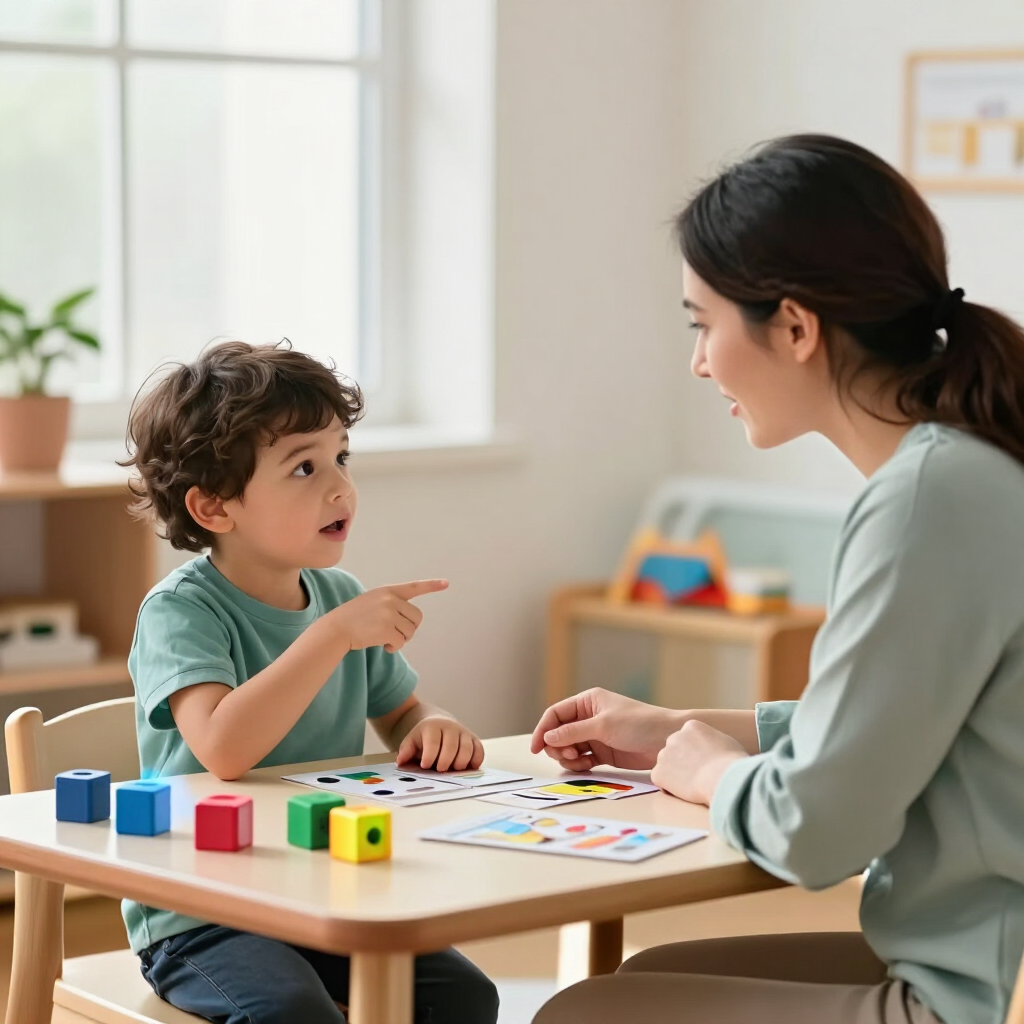
Developmental screenings are valuable tools that help identify strengths and potential areas of concern.
At Robin's Place ChildCare, developmental and social-emotional screeners help us:
- Monitor progress
- Support individualized learning
- Partner with families
- Identify potential delays early
- Connect families with resources when appropriate
Screenings are not diagnoses. They simply provide information that helps guide support and decision-making.
How Childcare Supports Healthy Development
Quality childcare programs play an important role in supporting developmental growth.
Children benefit from:
- Social interaction
- Structured routines
- Play-based learning
- Language-rich environments
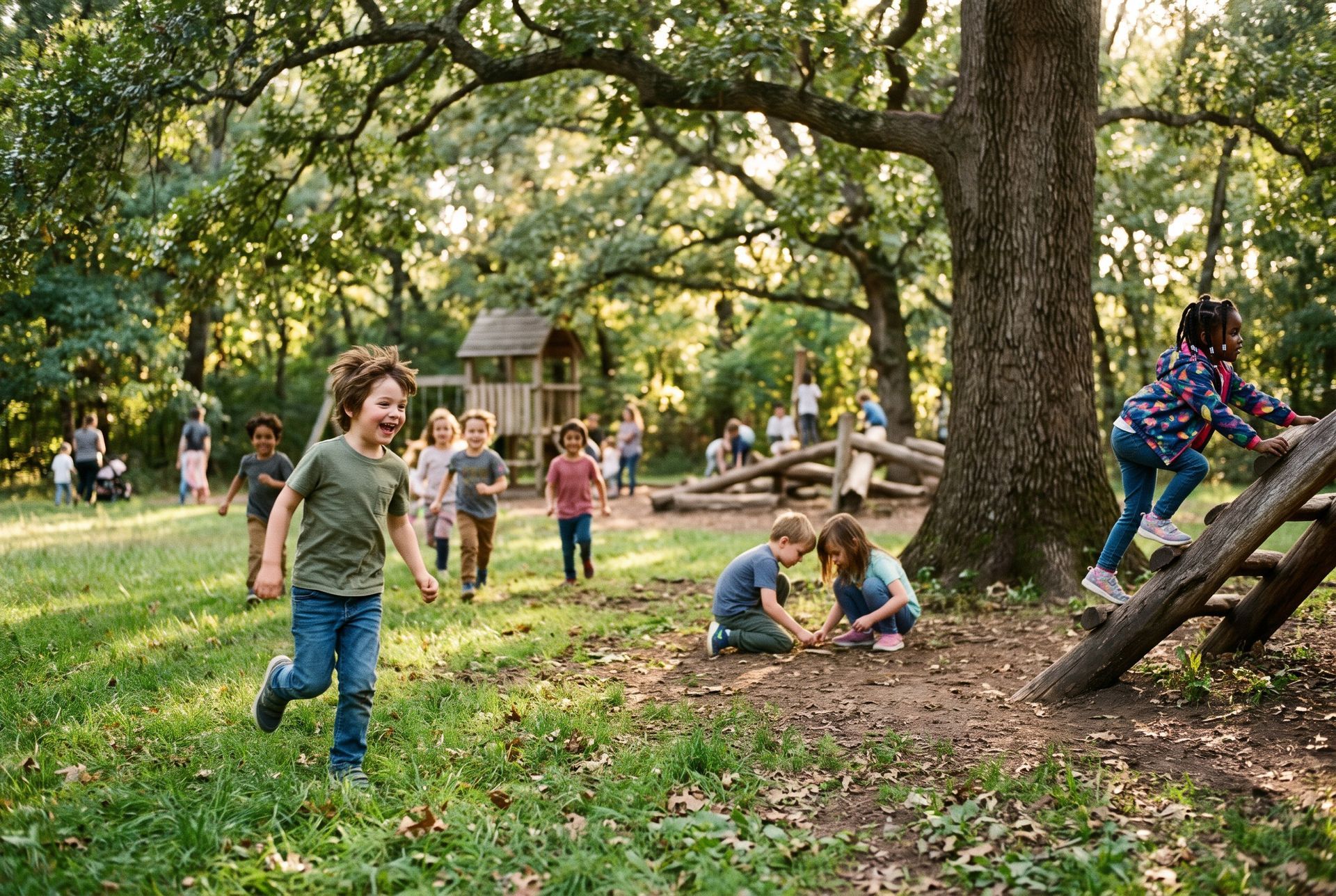
- Physical activity
- Emotional support
- Exposure to new experiences
At Robin's Place ChildCare, every aspect of the day is designed to support children's development across multiple areas.
Supporting Children of All Abilities
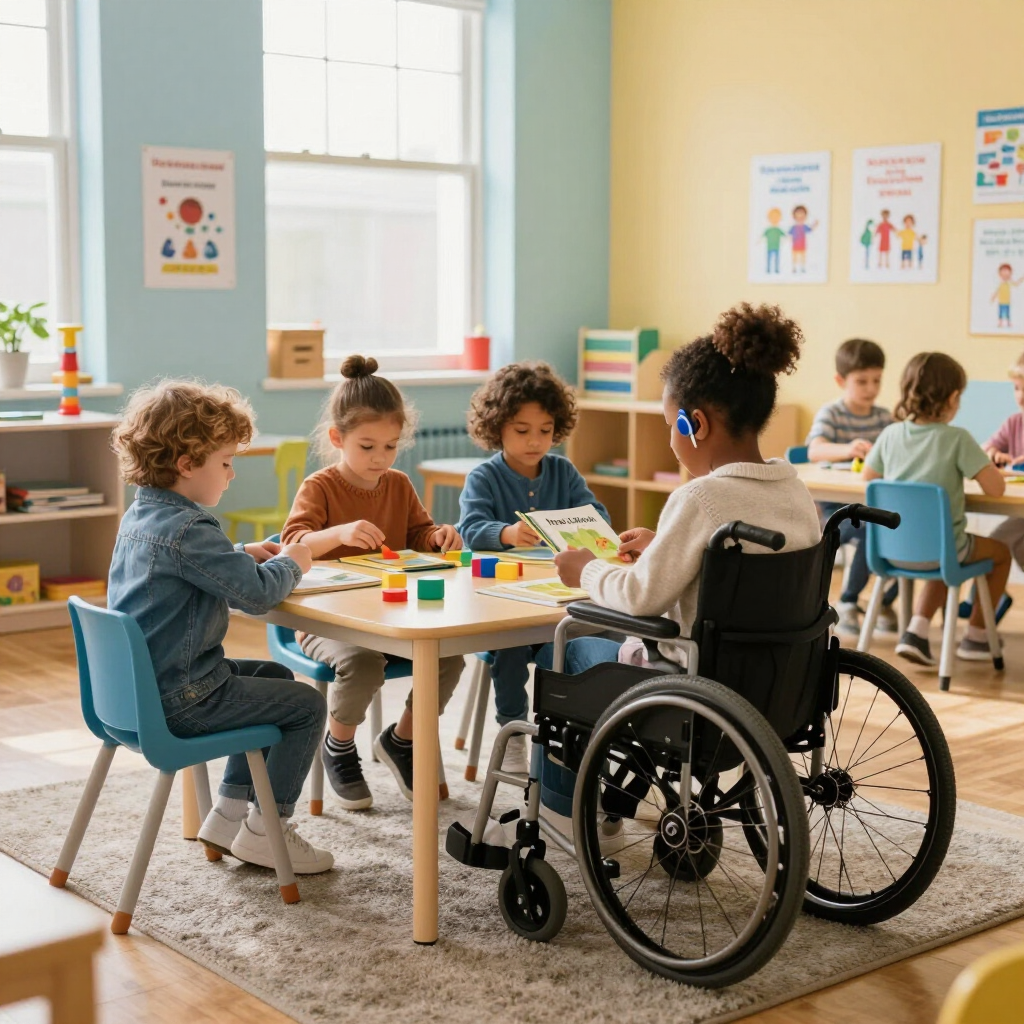
Robin's Place ChildCare believes every child deserves the opportunity to learn and grow in an inclusive environment.
We support children with:
- Developmental delays
- Autism spectrum disorder
- Speech and language differences
- Sensory needs
- Physical challenges
- Social-emotional needs
Our inclusive approach focuses on abilities, strengths, and individualized support.
Why Mesa Families Choose Robin's Place ChildCare
Families throughout Mesa trust Robin's Place ChildCare because we focus on the whole child.
Our programs provide:
- Developmentally appropriate learning
- Inclusive childcare
- Preschool education
- Developmental screenings
- Family partnerships
- Social-emotional support
- Experienced educators
Most importantly, we create a nurturing environment where every child can thrive.
Frequently Asked Questions
What are developmental milestones?
Developmental milestones are skills and behaviors that most children achieve within specific age ranges as they grow.
Should I be concerned if my child reaches milestones later than others?
Not necessarily. Children develop at different rates. However, significant delays should be discussed with a healthcare professional.
What is a developmental screening?
A developmental screening is a tool used to assess a child's progress and identify areas where additional support may be beneficial.
How can childcare support development?
Quality childcare supports social, emotional, cognitive, language, and physical development through structured learning and play experiences.
Does Robin's Place ChildCare offer developmental screenings?
Yes. Robin's Place uses developmental and social-emotional screening tools to help support children's growth and partner with families.
Internal Links
External Links
Recent Posts