The Benefits of Early Childhood Education: Why the First Five Years Matter
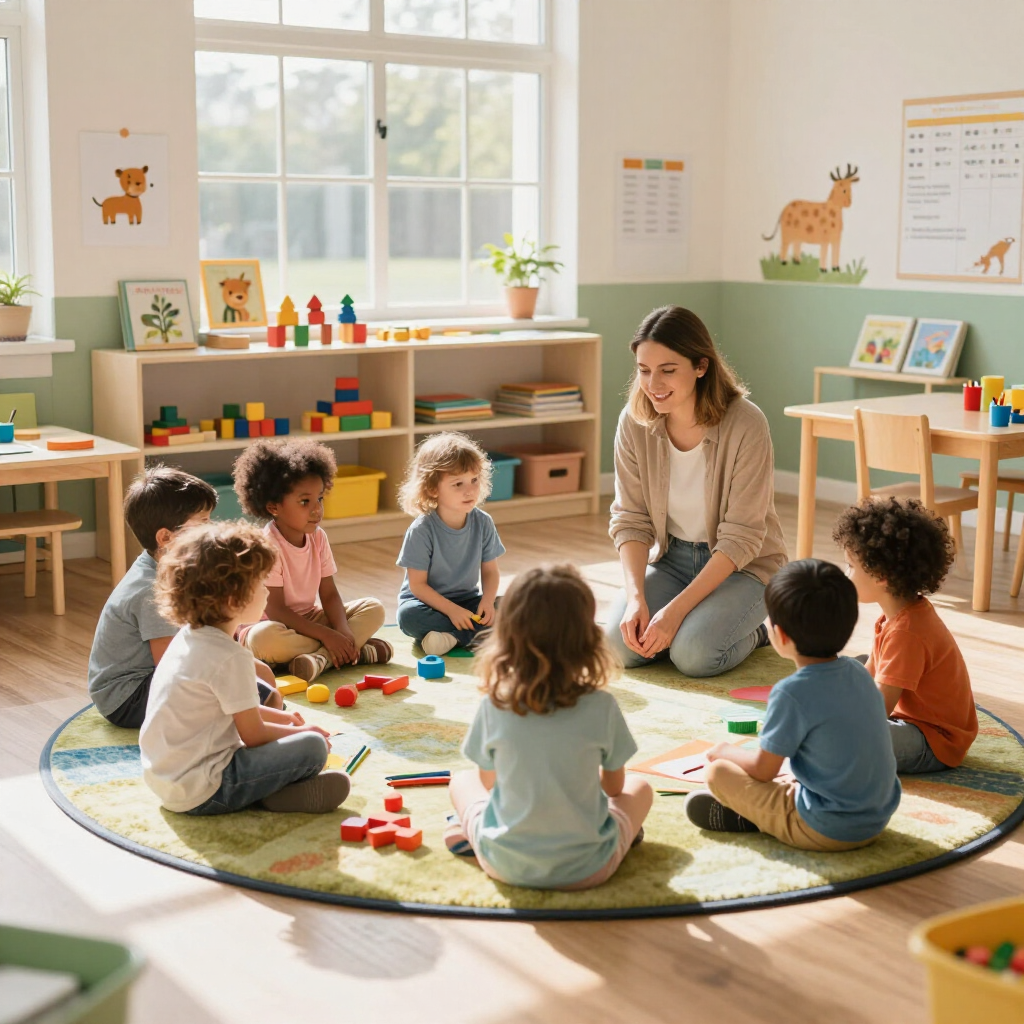
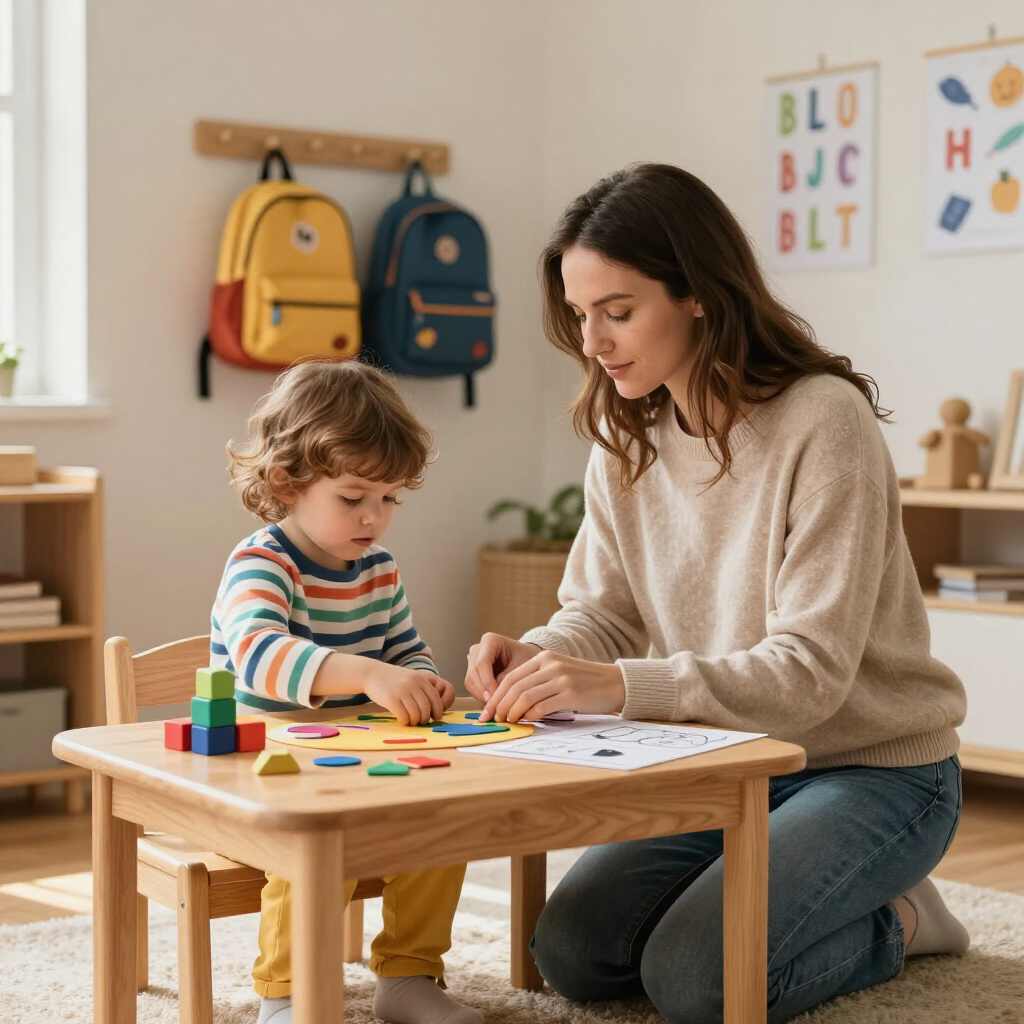
The first five years of a child's life are some of the most important years for growth and development. During this time, children develop foundational skills that influence how they learn, communicate, build relationships, and navigate the world around them. While every child develops at their own pace, research consistently shows that high-quality early childhood education can have a lasting positive impact on a child's academic, social, and emotional success.
For families in Mesa, Arizona, choosing a childcare or preschool program is about much more than finding supervision during the workday. It is about finding an environment where children can learn, explore, develop confidence, and build skills that will benefit them throughout their lives.
At Robin's Place ChildCare, we understand the importance of these early years and are committed to providing a nurturing, inclusive environment where children can thrive.
What Is Early Childhood Education?
Early childhood education refers to the learning experiences children receive from birth through approximately age five. During this period, children's brains develop at an extraordinary rate, creating millions of neural connections that form the foundation for future learning.
Early childhood education includes:
- Language and communication development
- Social and emotional learning
- Problem-solving skills
- Fine and gross motor development
- Early literacy and math concepts
- Creative expression
- Independent thinking
- Self-help and life skills
High-quality childcare and preschool programs intentionally create opportunities for children to develop these skills through play, exploration, routines, and guided learning experiences.
Why the First Five Years Are So Important
A child's brain grows more rapidly during the first five years than at any other time in life. Experiences during these early years help shape how children think, learn, and interact with others.
Positive early experiences support:
- Healthy brain development
- Strong communication skills
- Emotional security
- Self-confidence
- Social competence
- School readiness
- Lifelong learning habits
Children who have access to enriching early learning experiences often enter kindergarten better prepared to succeed academically and socially.
Building Strong Language and Communication Skills
One of the most significant benefits of early childhood education is language development.
Children learn language through conversations, songs, stories, and everyday interactions. In a quality childcare setting, teachers intentionally engage children in meaningful communication throughout the day.
Activities that support language development include:
- Story time
- Singing songs
- Group discussions
- Dramatic play
- Asking open-ended questions
- Vocabulary-building activities
These experiences help children develop listening skills, expand their vocabulary, and improve their ability to express thoughts and feelings.
Strong communication skills benefit children throughout their educational journey and help them build healthy relationships.
Developing Social Skills Through Daily Interaction
Learning how to interact with others is an essential part of early childhood development.
In a childcare or preschool setting, children learn to:
- Share materials
- Take turns
- Cooperate with peers
- Resolve conflicts
- Follow group expectations
- Develop empathy
- Build friendships
These social experiences help children understand different perspectives and develop important interpersonal skills.
Children who feel comfortable interacting with others often transition more easily into kindergarten and other group learning environments.
Supporting Emotional Development
Emotional development is just as important as academic learning.
Young children experience a wide range of emotions but often need guidance in understanding and expressing those feelings appropriately.
Early childhood education helps children learn to:
- Identify emotions
- Express feelings appropriately
- Manage frustration
- Build resilience
- Develop confidence
- Practice self-regulation
At Robin's Place ChildCare, teachers provide supportive guidance that helps children feel safe, valued, and understood.
When children develop strong emotional skills, they are better equipped to handle challenges and build positive relationships.
Encouraging Independence and Confidence
Early childhood programs help children develop independence through daily routines and responsibilities.
Children are encouraged to:
- Put away toys
- Wash hands independently
- Make choices
- Follow routines
- Solve simple problems
- Complete age-appropriate tasks
Each success builds confidence and encourages children to view themselves as capable learners.
This confidence becomes an important foundation for future academic achievement and personal growth.
Learning Through Play
Play is one of the most effective ways young children learn.
Research shows that play supports development across multiple areas, including:
- Language
- Social skills
- Creativity
- Problem-solving
- Motor development
- Cognitive growth
Children learn valuable lessons through activities such as:
- Building with blocks
- Pretend play
- Art projects
- Outdoor exploration
- Sensory activities
- Music and movement
At Robin's Place ChildCare, play-based learning helps children explore new ideas while developing essential skills.
Preparing Children for Kindergarten
One of the primary goals of early childhood education is preparing children for future school success.
Kindergarten readiness includes much more than knowing letters and numbers.
Children should also be able to:
- Follow directions
- Participate in group activities
- Manage transitions
- Communicate needs
- Work independently
- Solve simple problems
- Demonstrate self-control
Quality preschool programs provide opportunities to practice these skills in age-appropriate ways.
Children who enter kindergarten with strong social, emotional, and cognitive foundations often experience a smoother transition into elementary school.
Supporting Children of All Abilities
Every child learns differently.
Inclusive early childhood programs recognize and celebrate these differences by providing support that meets children where they are developmentally.
At Robin's Place ChildCare, inclusion is a core value.
Children with developmental differences, disabilities, sensory needs, or learning challenges are welcomed and supported through:
- Individualized strategies
- Collaborative family partnerships
- Developmental screenings
- Therapy collaboration
- Structured routines
- Sensory-friendly environments
Inclusive settings benefit all children by promoting understanding, empathy, and acceptance.
Partnering With Families
Parents are a child's first and most important teachers.
Successful early childhood programs recognize the importance of strong family partnerships.
Open communication between caregivers and families helps ensure consistency and support across environments.
At Robin's Place ChildCare, families are active partners in their child's development through:
- Daily communication
- Progress discussions
- Collaborative goal-setting
- Shared problem-solving
- Family involvement opportunities
These partnerships help children feel secure and supported both at home and at childcare.
Long-Term Benefits of Early Childhood Education
The benefits of early childhood education extend far beyond preschool.
Studies have shown that children who participate in quality early learning programs are more likely to:
- Perform well academically
- Graduate from high school
- Develop strong social skills
- Build healthy relationships
- Demonstrate confidence and resilience
- Become lifelong learners
While every child's journey is unique, strong early experiences create a foundation for future success.
Why Mesa Families Choose Robin's Place ChildCare
Families throughout Mesa choose Robin's Place ChildCare because of our commitment to creating a safe, inclusive, and engaging environment where children can thrive.
Our programs offer:
- Infant care
- Preschool programs
- Before- and after-school care
- Inclusive childcare
- Support for children with special needs
- Developmental screenings
- Qualified and caring staff
- DES-approved enrollment options
Most importantly, we provide a place where children feel valued, respected, and supported every day.
Frequently Asked Questions
What age should children begin early childhood education?
Children can benefit from high-quality early learning experiences beginning in infancy. Every stage of development offers opportunities for learning and growth.
Is preschool necessary before kindergarten?
While preschool is not always required, it often helps children develop important academic, social, and emotional skills that support kindergarten readiness.
How does early childhood education support social development?
Children learn cooperation, communication, problem-solving, and friendship skills through daily interactions with peers and teachers.
Can children with special needs benefit from early childhood education?
Absolutely. Inclusive programs provide valuable opportunities for learning, socialization, and skill development while supporting each child's individual needs.
What makes a quality early childhood program?
Qualified staff, safe environments, strong family partnerships, developmentally appropriate practices, and inclusive support are all important indicators of quality.
Robin's Place ChildCare is proud to support children and families throughout Mesa, Arizona during these critical early years of growth and development.