The Role of Play-Based Learning in Preschool Development
Many parents are surprised to learn that some of the most important learning in preschool happens during play. While adults often view play as simply a fun activity, children experience play as one of their primary ways of learning about the world around them.
Through play, children develop communication skills, build friendships, solve problems, explore creativity, and practice important concepts that prepare them for future academic success. In fact, decades of research have shown that play-based learning is one of the most effective approaches to early childhood education.
At Robin's Place ChildCare in Mesa, Arizona, play is viewed as a valuable learning tool that supports children's development across all areas of growth. Rather than separating learning from play, our programs combine the two to create meaningful experiences that help children develop confidence, curiosity, and a lifelong love of learning.
What Is Play-Based Learning?
Play-based learning is an educational approach that uses purposeful play experiences to support a child's development and learning goals.
Unlike unstructured free time alone, play-based learning involves activities that encourage children to explore, discover, and develop skills through hands-on experiences.
Children may learn through:
- Building with blocks
- Pretend play
- Art projects
- Sensory activities
- Outdoor exploration
- Music and movement
- Storytelling
- Science experiments
- Cooperative games
Teachers intentionally guide these activities to support developmental milestones while still allowing children to lead their own exploration.
This balance between child-led discovery and teacher-supported learning creates an engaging and effective educational environment.
Why Play Is Essential for Early Childhood Development
Play is not a break from learning. For young children, play is learning.
During play, children practice skills that support development in every area of growth, including:
- Cognitive development
- Language development
- Social development
- Emotional development
- Physical development
- Creative thinking
- Problem-solving
Children naturally learn best when they are actively engaged and interested in what they are doing.
Play provides that engagement.
Rather than memorizing information, children develop understanding through experience and exploration.
How Play Supports Brain Development
The early years are a critical time for brain development.
During the first five years of life, children's brains form millions of neural connections that influence future learning, behavior, and health.
Play helps strengthen these connections by encouraging children to:
- Experiment
- Explore
- Ask questions
- Solve problems
- Make decisions
- Practice new skills
Each play experience contributes to the development of critical thinking and learning pathways.
Research consistently shows that active, hands-on learning supports stronger brain development than passive learning alone.
Building Language and Communication Skills Through Play
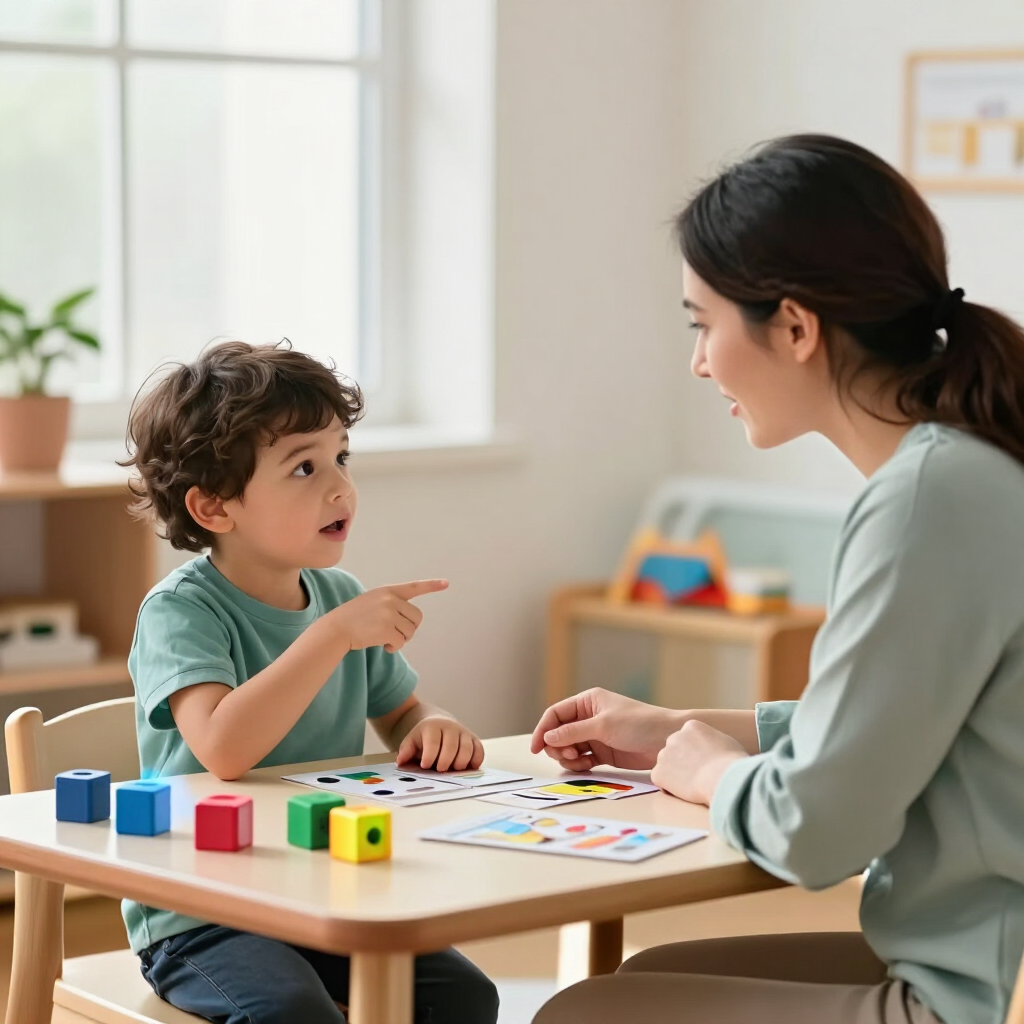
Play provides countless opportunities for children to develop communication skills.
During play, children learn to:
- Express ideas
- Ask questions
- Listen to others
- Follow directions
- Tell stories
- Expand vocabulary
- Practice conversation skills
Pretend play is especially valuable because it encourages children to use language creatively.
For example, children playing "restaurant" may practice taking orders, describing food, asking questions, and engaging in conversations with peers.
These experiences strengthen communication skills in natural and meaningful ways.
Developing Social Skills and Friendships
Preschool is often one of the first places where children regularly interact with peers outside of their family.
Play helps children learn important social skills such as:
- Sharing
- Cooperation
- Turn-taking
- Negotiation
- Conflict resolution
- Empathy
- Teamwork
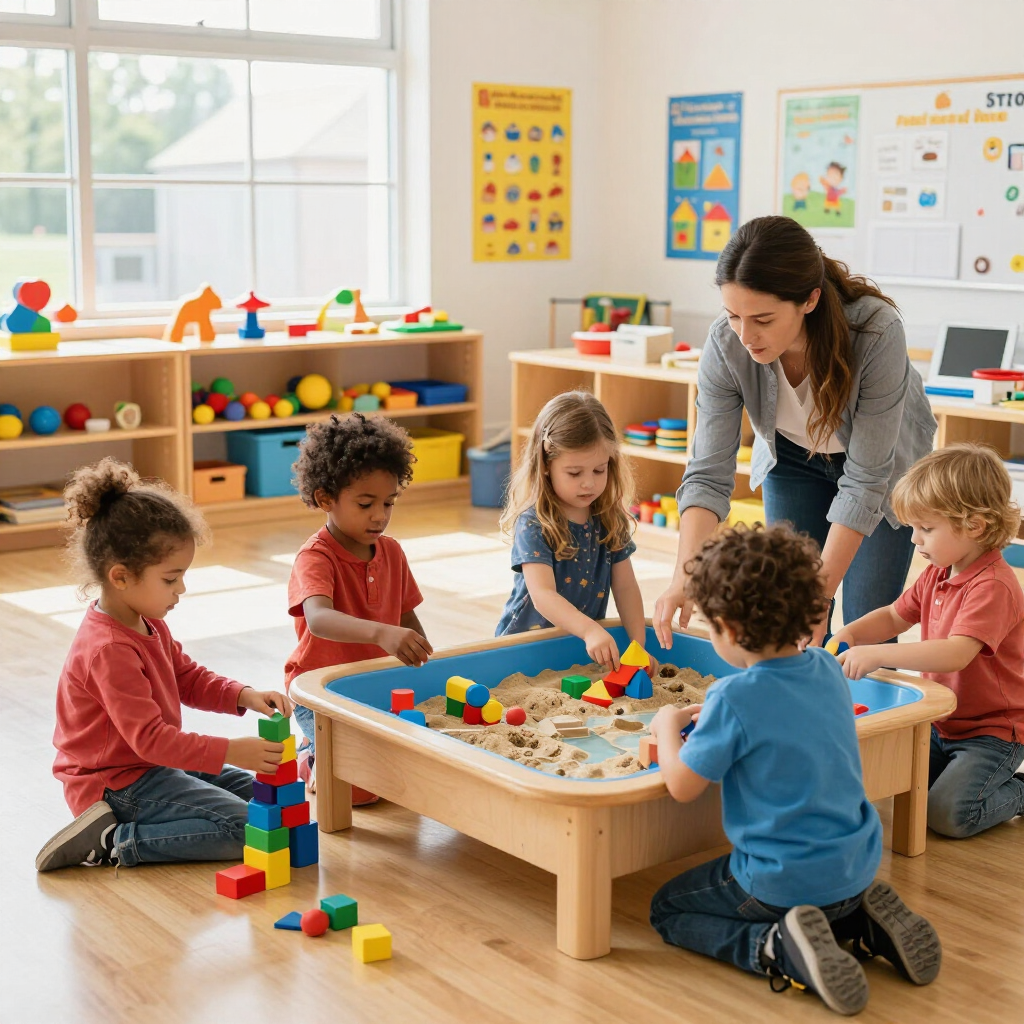
When children build a block tower together or participate in a group game, they learn how to work toward a common goal.
These experiences help children develop the social confidence needed for future success in school and life.
At Robin's Place ChildCare, children participate in daily opportunities for cooperative play that encourage positive peer interactions.
Supporting Emotional Development
Young children experience many emotions but are still learning how to manage them.
Play provides a safe space for children to explore feelings and develop emotional regulation skills.
Through play, children learn how to:
- Express emotions
- Manage frustration
- Build resilience
- Develop confidence
- Practice patience
- Navigate challenges
Pretend play can be especially helpful because children often act out real-life situations and emotions through imaginative scenarios.
Teachers can use these moments to help children identify feelings and develop healthy coping strategies.
Encouraging Creativity and Imagination
Creativity is an important part of childhood development.
Play-based learning encourages children to:
- Think creatively
- Explore possibilities
- Use imagination
- Generate new ideas
- Solve problems in different ways
Open-ended materials such as blocks, art supplies, sensory bins, and dramatic play props allow children to create their own experiences rather than follow predetermined instructions.
This type of exploration encourages flexible thinking and innovation.
These skills remain valuable throughout life.
Developing Problem-Solving Skills
Every day, children encounter challenges during play.
They may need to:
- Figure out how to build a structure
- Solve a disagreement with a friend
- Complete a puzzle
- Navigate an obstacle course
- Organize materials for a project
These experiences help children develop critical thinking and problem-solving abilities.
Rather than immediately providing answers, teachers often guide children through the process of finding solutions independently.
This approach builds confidence and resilience.
Supporting Physical Development
Play also supports physical growth and coordination.
Children strengthen gross motor skills through activities such as:
- Running
- Climbing
- Jumping
- Dancing
- Throwing balls
- Outdoor games
Fine motor skills develop through activities such as:
- Drawing
- Painting
- Cutting
- Building
- Manipulating small objects
Strong motor skills contribute to future academic tasks such as writing, using classroom tools, and participating in physical education.
Play-Based Learning and Kindergarten Readiness
Some parents worry that play-based learning may not adequately prepare children for kindergarten.
In reality, high-quality play-based programs help children develop many of the skills schools expect.
These include:
- Following directions
- Listening skills
- Problem-solving
- Communication
- Social interaction
- Self-regulation
- Early literacy concepts
- Early math concepts
Children often learn these skills more effectively through engaging, hands-on experiences than through formal instruction alone.
Play-based learning helps children build a strong foundation while maintaining a love of learning.
The Importance of Child-Led Exploration
One of the unique strengths of play-based learning is that it allows children to follow their interests.
When children are interested in an activity, they are naturally more motivated to learn.
Teachers observe children's interests and use them to introduce new concepts and learning opportunities.
For example:
- A child interested in insects may explore science concepts.
- A child interested in building may learn engineering and math concepts.
- A child interested in storytelling may strengthen literacy skills.
This personalized approach helps make learning meaningful and engaging.
How Robin's Place ChildCare Uses Play-Based Learning
At Robin's Place ChildCare, play-based learning is incorporated throughout the day.
Children participate in:
- Learning centers
- Art activities
- Sensory exploration
- Outdoor play
- Music and movement
- Story time
- Dramatic play
- Science discovery activities
Teachers intentionally create environments that encourage curiosity, creativity, and problem-solving while supporting developmental goals.
Children are encouraged to explore, ask questions, and learn through hands-on experiences.
Benefits for Children of All Abilities
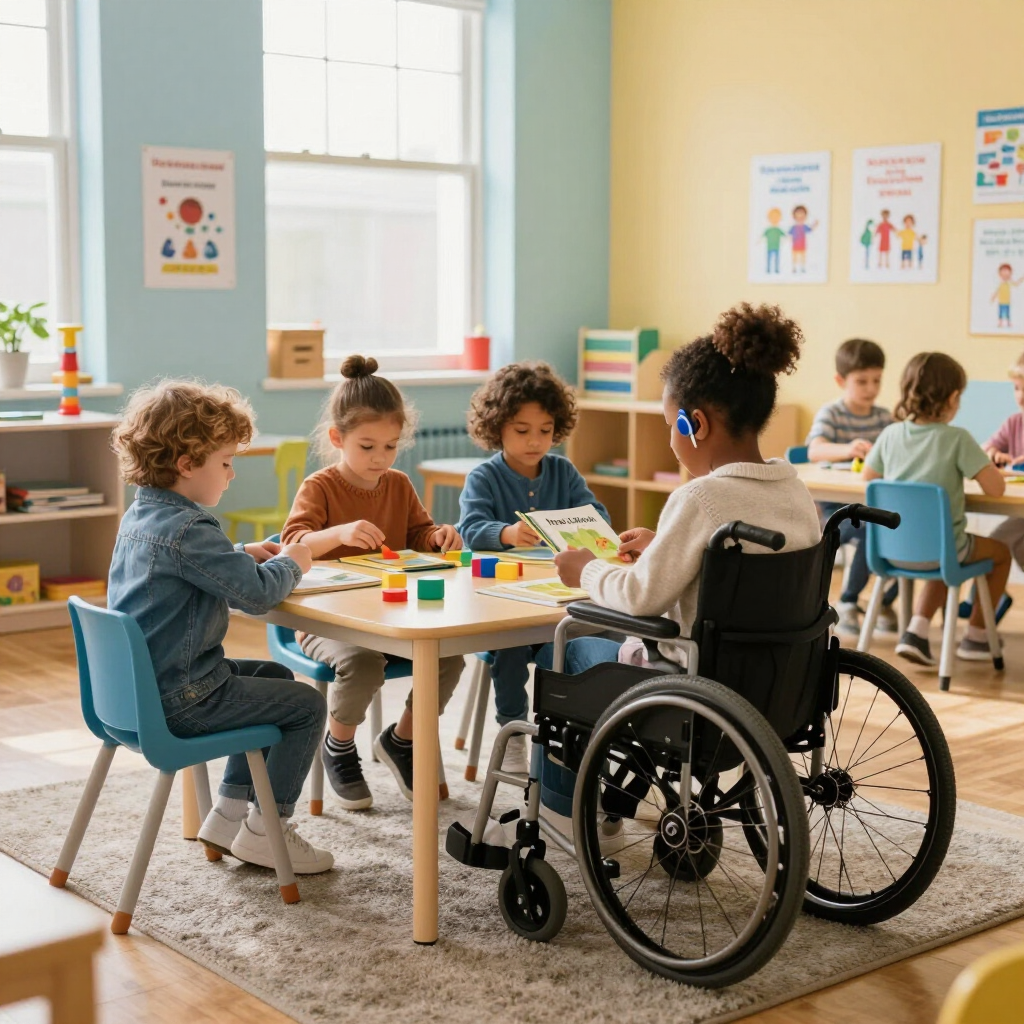
Play-based learning is beneficial for children of all developmental levels.
Inclusive play environments support:
- Communication development
- Social interaction
- Sensory exploration
- Confidence building
- Emotional regulation
- Individual learning styles
Robin's Place ChildCare is committed to providing inclusive opportunities where all children can participate and succeed.
Why Mesa Families Choose Robin's Place ChildCare
Families choose Robin's Place ChildCare because we understand that learning happens best when children feel safe, supported, and engaged.
Our programs provide:
- Play-based learning opportunities
- Inclusive childcare
- Preschool education
- Social-emotional support
- Developmentally appropriate activities
- Experienced and caring staff
- Strong family partnerships
We believe every child deserves opportunities to explore, create, learn, and grow in an environment that celebrates their unique strengths.
Frequently Asked Questions
What is play-based learning?
Play-based learning is an educational approach that uses play experiences to support children's academic, social, emotional, and physical development.
Is play-based learning effective?
Yes. Research consistently shows that children learn best through active, hands-on experiences that encourage exploration and discovery.
Does play-based learning prepare children for kindergarten?
Absolutely. Play-based programs help children develop communication, problem-solving, social, and early academic skills needed for school success.
How does play help social development?
Play teaches children sharing, cooperation, empathy, communication, and conflict resolution skills.
Does Robin's Place ChildCare use play-based learning?
Yes. Robin's Place incorporates play-based learning throughout daily activities to support development across all areas of growth.
Recent Posts