The Benefits of Inclusive Childcare for All Children, Not Just Those With Special Needs
When people hear the term "inclusive childcare," they often assume it is designed only for children with disabilities or developmental differences. While inclusion certainly benefits children who need additional support, the reality is that inclusive childcare creates meaningful advantages for every child in the classroom.
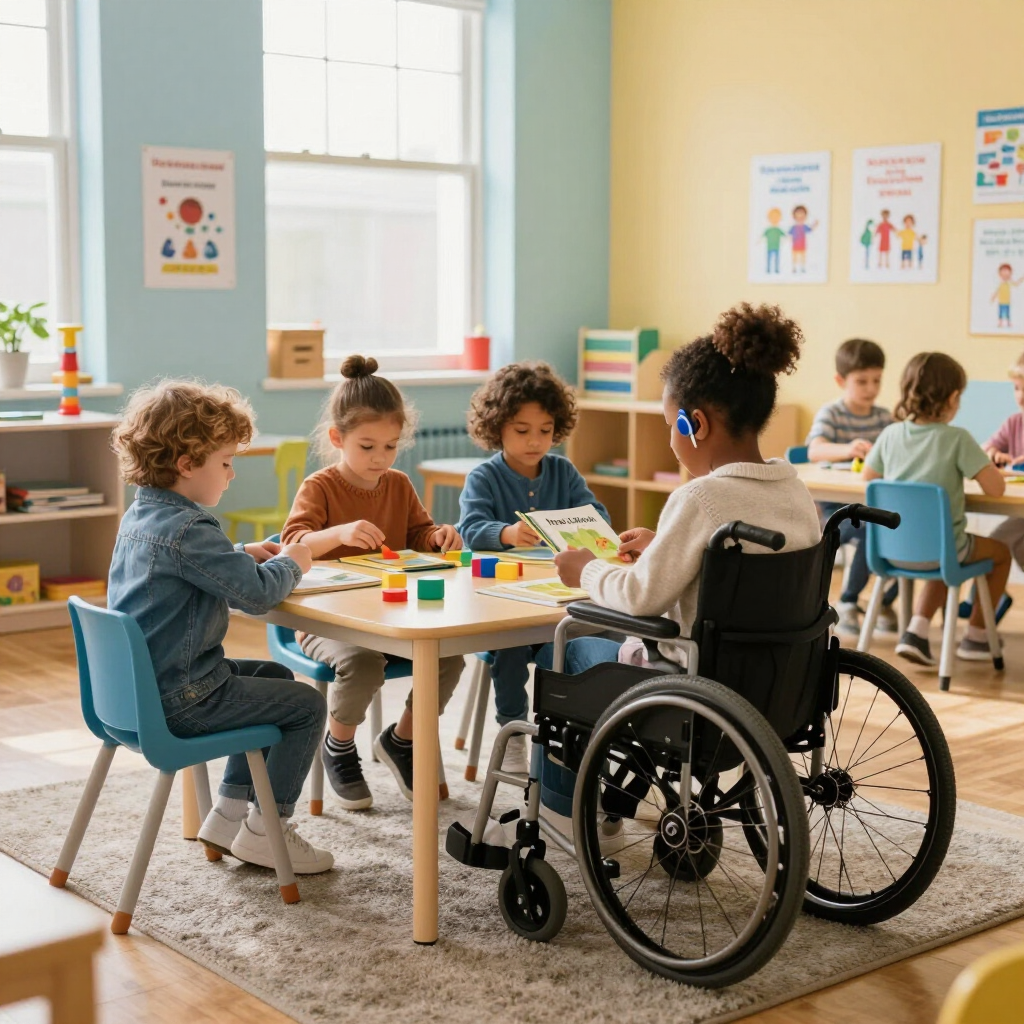
An inclusive childcare environment welcomes children of all abilities, backgrounds, learning styles, and developmental levels. It creates opportunities for children to learn from one another, develop empathy, build friendships, and gain a broader understanding of the world around them.
At Robin's Place ChildCare in Mesa, Arizona, inclusion is more than a program feature. It is a core philosophy. We believe every child deserves to feel valued, respected, supported, and included. By creating an environment where all children learn and grow together, we help build the social and emotional foundations that support lifelong success.
What Is Inclusive Childcare?
Inclusive childcare refers to programs that welcome children of all abilities and provide the support needed for every child to participate fully in daily activities.
In an inclusive childcare environment, children may include those who:
- Are developing typically
- Have speech or language delays
- Are on the autism spectrum
- Have sensory processing needs
- Have physical disabilities
- Receive occupational therapy
- Receive speech therapy
- Have developmental delays
- Have medical needs
- Learn differently from their peers
Rather than separating children based on abilities, inclusive programs create opportunities for everyone to learn and participate together.
This approach recognizes that every child has strengths, challenges, and unique contributions to offer.
Why Inclusion Matters in Early Childhood
The early years are a critical period for learning about relationships, diversity, and community.
Young children are naturally curious and accepting. They notice differences, but they often approach those differences with openness and a desire to understand.
Inclusive childcare allows children to learn that people may communicate, move, learn, or interact differently—and that these differences are a normal part of life.
Children who grow up in inclusive environments often develop:
- Greater empathy
- Stronger social skills
- Better communication abilities
- Increased confidence
- Greater acceptance of diversity
- Stronger problem-solving skills
These qualities benefit children long after they leave preschool.
Inclusion Teaches Empathy
Empathy is the ability to understand and care about how another person feels.
While empathy develops naturally over time, inclusive environments provide daily opportunities for children to practice it.
Children learn empathy when they:
- Observe different experiences
- Help classmates
- Listen to others
- Recognize emotions
- Show kindness
- Offer support
For example, a child may learn patience while waiting for a peer to communicate their thoughts or may learn compassion by helping a friend who needs assistance during an activity.
These experiences build emotional intelligence and strengthen social relationships.
At Robin's Place ChildCare, empathy is encouraged through positive interactions, guided conversations, and respectful classroom practices.
Children Learn That Everyone Has Strengths
One of the greatest misconceptions about inclusion is that it focuses on limitations.
In reality, inclusive childcare helps children recognize that every person has unique strengths.
A child who struggles with speech may excel at building structures. Another child may need sensory supports but demonstrate incredible creativity. One child may require physical assistance while showing exceptional problem-solving abilities.
When children learn alongside peers with different strengths, they develop a more balanced understanding of human abilities.
They learn that everyone has something valuable to contribute.
This mindset promotes confidence, respect, and appreciation for diversity.
Inclusive Classrooms Build Stronger Communication Skills
Communication is a key part of childhood development.
Inclusive environments expose children to a variety of communication styles and abilities.
Children learn to:
- Listen carefully
- Be patient
- Use clear language
- Interpret nonverbal communication
- Adapt their communication style
- Understand different perspectives
These experiences help strengthen communication skills in meaningful ways.
Children become more effective communicators because they learn how to interact with individuals who may communicate differently than they do.
Inclusion Encourages Friendship and Belonging
Every child wants to feel accepted and included.
Inclusive childcare creates opportunities for children to build friendships across differences and learn that everyone deserves to belong.
Through daily interactions, children discover common interests, shared experiences, and opportunities for connection.
They learn that friendships are built on:
- Kindness
- Trust
- Respect
- Cooperation
- Shared experiences
These lessons help children develop meaningful relationships and foster a sense of community.
At Robin's Place ChildCare, creating a welcoming environment where every child feels valued is one of our highest priorities.
Inclusive Childcare Supports Social Development
Social development happens through interaction, observation, and practice.
Inclusive environments provide rich opportunities for children to develop skills such as:
- Sharing
- Cooperation
- Problem-solving
- Conflict resolution
- Turn-taking
- Emotional awareness
Children learn how to navigate relationships with individuals who may have different needs, preferences, and perspectives.
These experiences help build flexibility and social competence.
Children Learn Acceptance and Respect
Inclusion teaches one of life's most important lessons: everyone deserves respect.
Children who grow up in inclusive environments are more likely to:
- Accept differences
- Value diversity
- Challenge stereotypes
- Demonstrate kindness
- Include others
These attitudes often continue into adolescence and adulthood.
By learning acceptance at an early age, children develop stronger relationships and become more compassionate members of their communities.
Inclusion Builds Confidence
Inclusive childcare supports confidence for all children.
Children gain confidence when they:
- Feel accepted
- Experience success
- Build friendships
- Develop skills
- Contribute to group activities
For children receiving support services, inclusion provides opportunities to participate fully in daily experiences.
For typically developing children, inclusion helps build leadership skills, empathy, and confidence in social situations.
Every child benefits from feeling valued and capable.
Preparing Children for the Real World
The world is diverse.
Children will encounter people with different abilities, backgrounds, experiences, and perspectives throughout their lives.
Inclusive childcare helps prepare children for this reality by creating opportunities to interact with a wide range of individuals from an early age.
These experiences support:
- Adaptability
- Understanding
- Respect
- Collaboration
- Communication
Children learn that diversity is not something unusual—it is simply part of everyday life.
Supporting Children With Special Needs
While inclusion benefits everyone, it is especially valuable for children who require additional support.
Inclusive childcare provides opportunities for children with special needs to:
- Develop social skills
- Build friendships
- Participate in classroom activities
- Learn alongside peers
- Gain confidence
- Practice communication skills
Research consistently shows that children with disabilities often experience positive outcomes when they participate in high-quality inclusive programs.
At Robin's Place ChildCare, we focus on each child's strengths and provide individualized support to help them succeed.
How Robin's Place ChildCare Supports Inclusion
Inclusion is woven throughout every aspect of our program.
We support children through:
- Certified Special Education expertise
- Individualized support strategies
- Developmental screenings
- Family partnerships
- Collaboration with therapists
- Positive behavior supports
- Sensory-friendly environments
- Structured routines
Most importantly, we create a culture where every child belongs.
Our goal is not simply to accommodate differences but to celebrate them.
The Role of Families in Inclusive Childcare
Strong partnerships with families are essential for successful inclusion.
At Robin's Place ChildCare, we believe parents are experts on their children.
We work closely with families through:
- Daily communication
- Goal-setting discussions
- Progress updates
- Collaborative problem-solving
- Respect for family values
These partnerships help ensure children receive consistent support both at home and in childcare.
Why Mesa Families Choose Robin's Place ChildCare
Families throughout Mesa choose Robin's Place ChildCare because of our commitment to inclusion, compassion, and individualized support.
Our programs offer:
- Inclusive childcare
- Preschool education
- Infant and toddler care
- Before- and after-school care
- Developmental screenings
- Therapy collaboration
- Experienced educators
- Family-centered support
Most importantly, we provide a place where every child is welcomed, respected, and encouraged to thrive.
Frequently Asked Questions
What is inclusive childcare?
Inclusive childcare is a program where children of all abilities learn and participate together with appropriate support.
Do typically developing children benefit from inclusion?
Yes. Inclusive environments help children develop empathy, communication skills, acceptance, and social confidence.
Can children with special needs succeed in inclusive classrooms?
Absolutely. With appropriate supports and individualized strategies, many children thrive in inclusive settings.
Does inclusion affect learning outcomes?
Research shows that inclusive environments often provide positive social, emotional, and educational benefits for all children.
Is Robin's Place ChildCare an inclusive program?
Yes. Robin's Place ChildCare proudly welcomes children of all abilities and provides individualized support to help every child succeed.
Recent Posts

A Parent's Guide to Kindergarten Readiness: Skills Every Child Should Develop Before Starting School
