Speech Delays in Young Children: Early Signs, Support, and When to Seek Help
One of the most exciting parts of early childhood is hearing a child's first words. From babbling and cooing to full conversations, language development is a major milestone that many parents eagerly anticipate. While every child develops at their own pace, parents naturally become concerned when speech seems delayed or communication skills are not progressing as expected.
The good news is that speech delays are relatively common in young children, and early support can make a significant difference. Understanding what typical speech development looks like, recognizing potential signs of delay, and knowing when to seek help can empower families to support their child's communication journey.
At Robin's Place ChildCare in Mesa, Arizona, we understand how important communication skills are to a child's overall development. Through language-rich environments, developmental screenings, family partnerships, and inclusive support, we help children build confidence and communication skills while connecting families with additional resources when needed.
Understanding Speech and Language Development
Although many people use the terms speech and language interchangeably, they refer to different aspects of communication.
Speech refers to how words are spoken, including:
- Pronunciation
- Articulation
- Voice quality
- Sound production
Language refers to understanding and using communication, including:
- Vocabulary
- Understanding words
- Following directions
- Expressing thoughts
- Using sentences
- Social communication
A child may experience challenges with speech, language, or both.
Understanding the difference can help families better recognize developmental concerns.
Why Early Communication Skills Matter
Communication is one of the most important developmental skills children acquire.
Strong communication skills support:
- Social development
- Emotional regulation
- Learning and academics
- Problem-solving
- Relationship building
- Self-confidence
Children use communication to express needs, ask questions, share experiences, build friendships, and understand the world around them.
When communication challenges exist, children may experience frustration, difficulty interacting with peers, or challenges participating in learning activities.
Early support can help children develop the skills they need to communicate effectively.
Typical Speech and Language Milestones
Every child develops at their own pace, but there are general milestones that help families understand what to expect.
Birth to 12 Months
During infancy, children often:
- Respond to sounds
- Turn toward voices
- Make eye contact
- Coo and babble
- Respond to their name
- Use gestures such as pointing or waving
- Say simple words like "mama" or "dada"
Ages 1 to 2
Toddlers often begin to:
- Use single words
- Understand simple instructions
- Identify familiar objects
- Use gestures and words together
- Build a vocabulary of several words
- Begin combining two words
Examples include phrases such as:
- More milk
- Mommy up
- Go outside
Ages 2 to 3
Children often:
- Use short sentences
- Ask simple questions
- Follow two-step directions
- Name familiar objects
- Expand vocabulary rapidly
- Participate in simple conversations
Ages 3 to 5
Preschool-aged children often:
- Speak in complete sentences
- Tell stories
- Ask detailed questions
- Understand more complex directions
- Engage in conversations with peers
- Use increasingly sophisticated vocabulary
These milestones provide general guidelines, but variations are common.
Common Signs of Speech Delays
While children develop at different rates, certain signs may indicate that additional evaluation could be beneficial.
Parents may consider discussing concerns with a healthcare professional if a child:
- Does not babble by 12 months
- Uses very few words by age 2
- Has difficulty understanding simple directions
- Rarely attempts to communicate
- Relies primarily on gestures instead of words
- Is difficult for familiar adults to understand
- Has limited interest in social interaction
- Stops using previously acquired words
The earlier concerns are identified, the earlier support can begin.
Possible Causes of Speech Delays
Speech delays can occur for many different reasons.
Some possible factors include:
- Hearing difficulties
- Developmental delays
- Autism spectrum disorder
- Oral-motor challenges
- Neurological conditions
- Environmental factors
- Family history of speech delays
In some cases, no specific cause is identified.
A speech delay does not automatically indicate a serious developmental concern, but professional evaluation can help determine whether support is needed.
The Importance of Early Intervention
Early intervention refers to services provided to young children who demonstrate developmental delays or concerns.
Research consistently shows that early intervention can improve outcomes in communication, learning, and social development.
Benefits of early intervention include:
- Improved language development
- Better communication skills
- Increased confidence
- Enhanced social interaction
- Reduced frustration
- Stronger school readiness skills
Because young children's brains are highly adaptable, early support is often especially effective.
How Speech Therapy Helps
Speech-language pathologists work with children to improve communication skills.
Speech therapy may focus on:
- Vocabulary development
- Pronunciation
- Understanding language
- Following directions
- Social communication
- Expressing thoughts and feelings
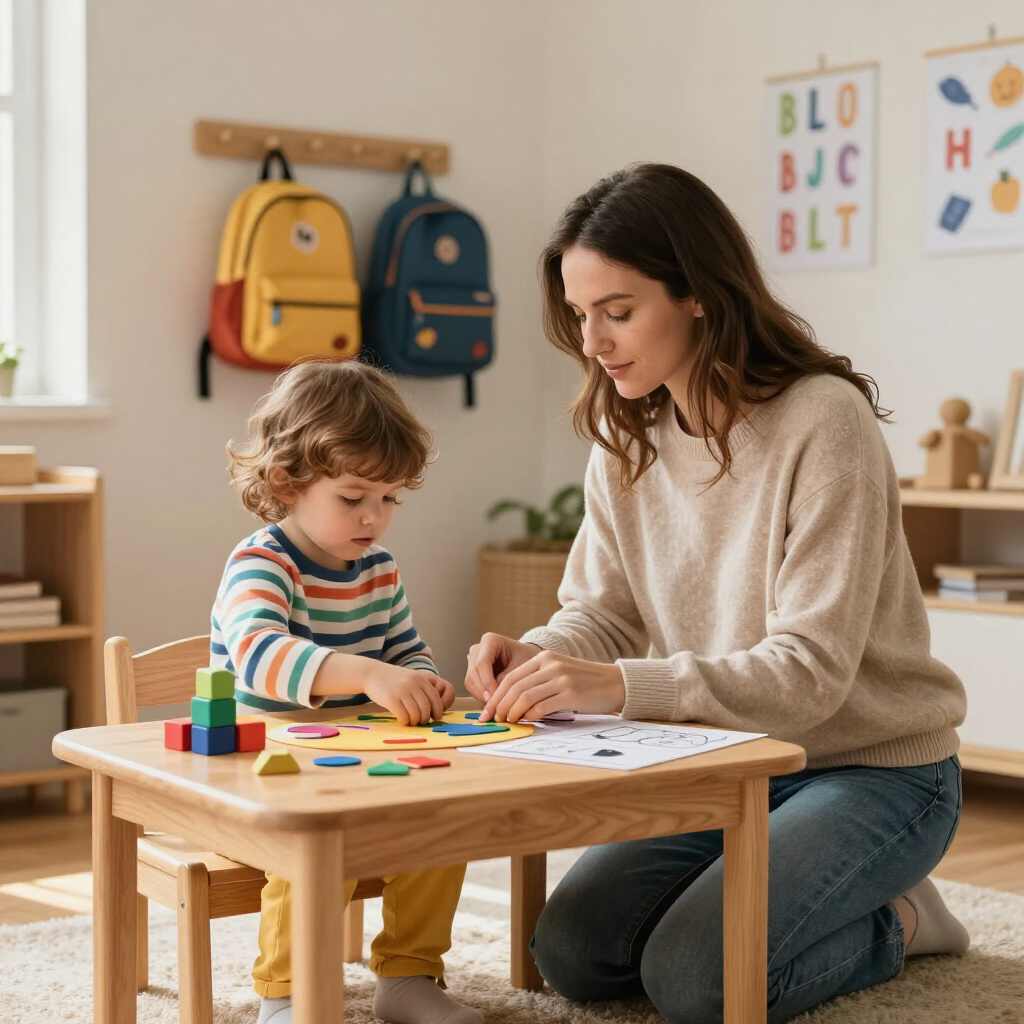
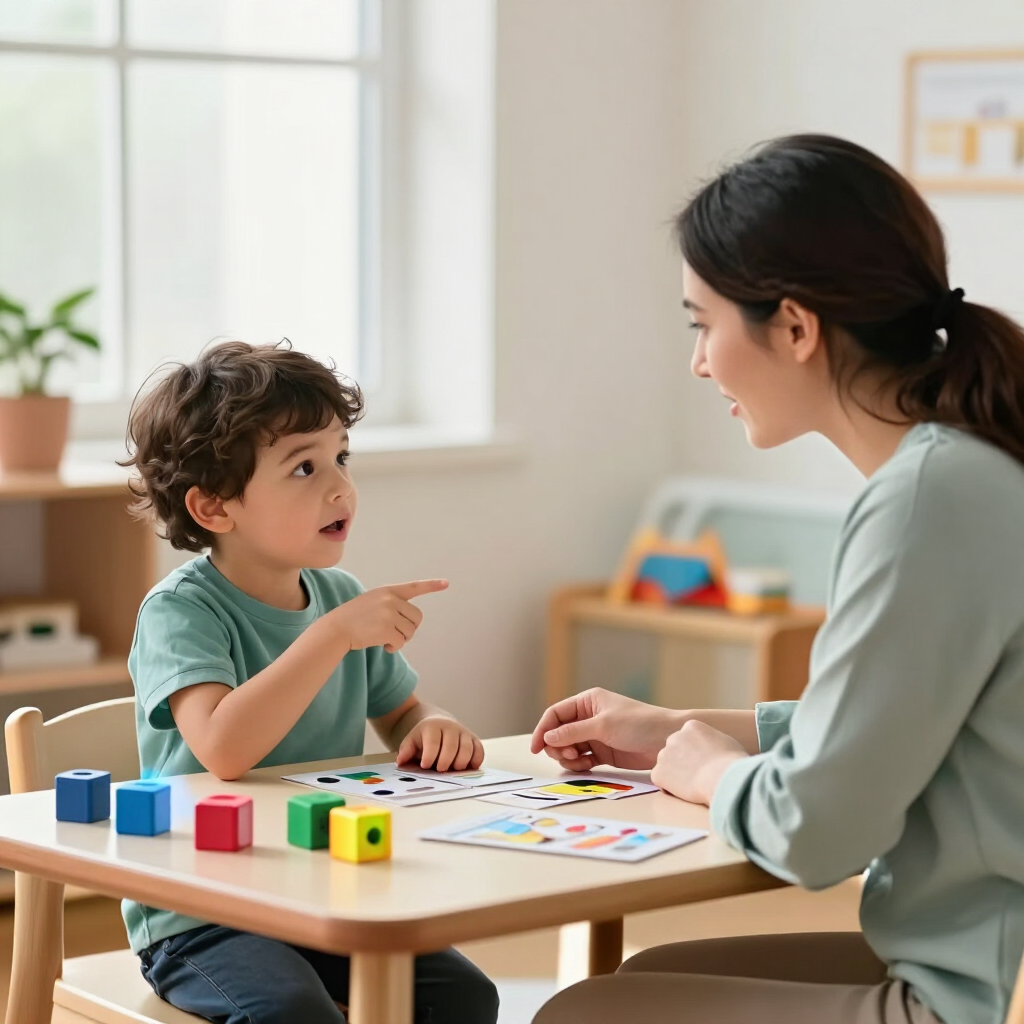
Therapy sessions are often play-based and designed to be engaging for young children.
The goal is to help children communicate more effectively while building confidence and reducing frustration.
Supporting Speech Development at Home
Parents play a critical role in supporting communication skills.
Simple everyday activities can make a meaningful difference.
Talk Frequently
Narrate daily activities and describe what you are doing.
Examples include:
- We are washing hands.
- Let's put on your shoes.
- The dog is running outside.
Frequent exposure to language supports vocabulary growth.
Read Together Every Day
Reading helps children:
- Hear new words
- Build listening skills
- Strengthen comprehension
- Develop early literacy skills
Choose age-appropriate books and encourage interaction during story time.
Sing Songs and Nursery Rhymes
Songs help children learn:
- New vocabulary
- Rhythms of language
- Listening skills
- Sound patterns
Music can be an enjoyable way to encourage communication.
Encourage Conversation
Give children opportunities to express themselves.
Ask open-ended questions such as:
- What was your favorite part of today?
- What do you think will happen next?
- How did that make you feel?
These conversations help build expressive language skills.
How Childcare Supports Language Development
Quality childcare programs provide daily opportunities for communication and language growth.
Children benefit from:
- Story time
- Group discussions
- Music and movement
- Dramatic play
- Social interaction
- Guided learning experiences
At Robin's Place ChildCare, language development is integrated throughout the day.
Teachers encourage communication during activities, routines, meals, and play experiences.
These consistent interactions help children develop vocabulary, confidence, and communication skills.
Supporting Children With Speech Delays in Childcare
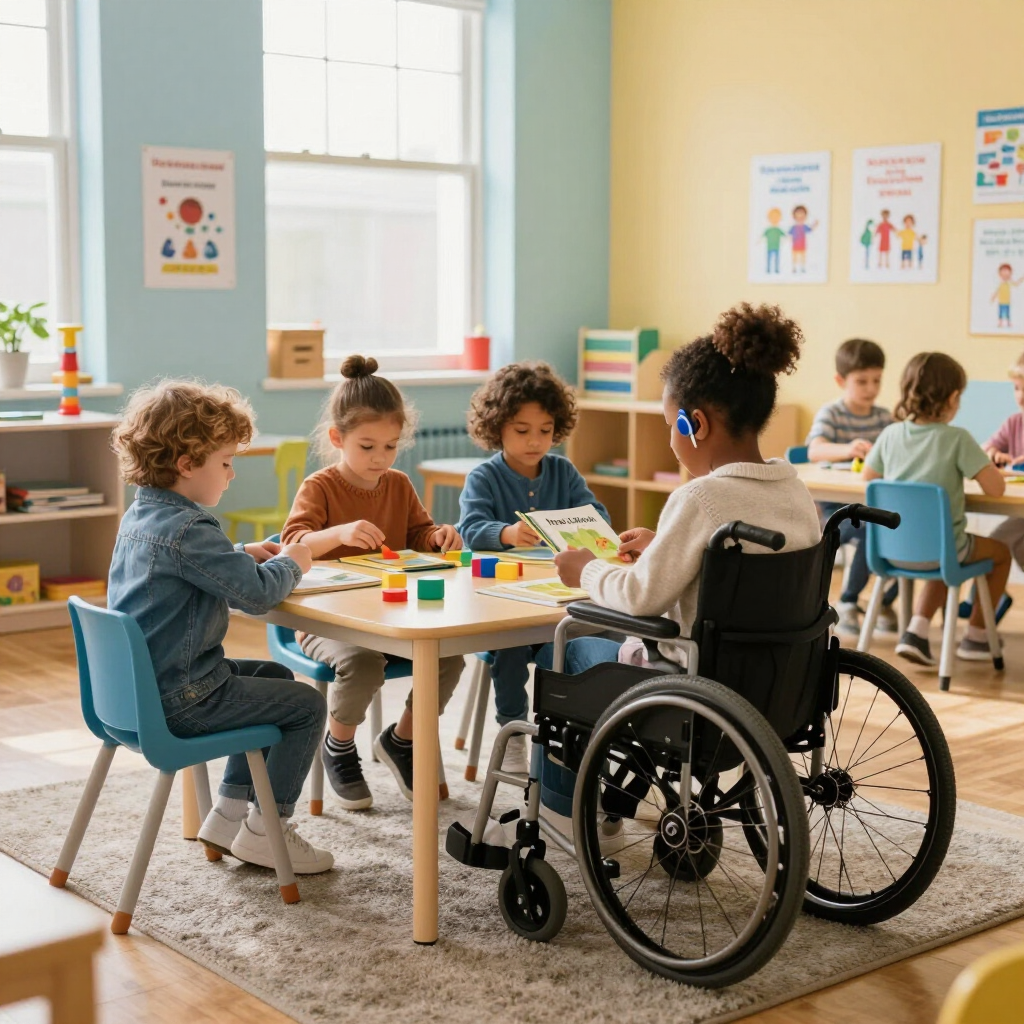
Children with speech delays can thrive in supportive childcare environments.
At Robin's Place ChildCare, we focus on:
- Inclusive learning opportunities
- Individualized support strategies
- Positive communication experiences
- Collaboration with families
- Developmental screenings
- Partnerships with therapists when appropriate
Our goal is to create an environment where children feel successful and supported while developing communication skills.
The Value of Developmental Screenings
Developmental screenings help identify potential concerns early.
Robin's Place ChildCare utilizes developmental and social-emotional screening tools that can help families:
- Understand developmental progress
- Identify potential delays
- Monitor growth over time
- Access resources when needed
Screenings are not diagnoses, but they can provide valuable information that guides support and referrals.
When Parents Should Seek Professional Help
Parents know their children best.
If you have concerns about your child's communication skills, it is always appropriate to discuss them with:
- Your pediatrician
- A speech-language pathologist
- Early Intervention programs
- Developmental specialists
Seeking an evaluation does not mean something is wrong. It simply provides information that can help support your child's growth.
Early support often leads to the best outcomes.
Why Mesa Families Choose Robin's Place ChildCare
Families throughout Mesa choose Robin's Place ChildCare because we understand that every child develops differently.
Our programs provide:
- Inclusive childcare
- Developmental screenings
- Preschool education
- Family partnerships
- Support for children with diverse needs
- Collaboration with therapists
- Experienced educators
- Language-rich learning environments
Most importantly, we create a nurturing setting where every child feels valued, encouraged, and supported.
Frequently Asked Questions
What is considered a speech delay?
A speech delay occurs when a child does not meet expected speech or language milestones within a typical developmental timeframe.
Should I worry if my child is not talking as much as other children?
Every child develops differently. However, concerns about communication should be discussed with a pediatrician or developmental professional.
Can speech delays improve with support?
Yes. Many children make significant progress with early intervention and speech therapy services.
Does childcare help language development?
Absolutely. Quality childcare provides daily opportunities for communication, social interaction, and language-rich learning experiences.
Does Robin's Place ChildCare support children with speech delays?
Yes. Robin's Place ChildCare provides inclusive support, developmental screenings, and collaboration with families and service providers to help children succeed.
Recent Posts